

For a long time, the stereotype held firm: British men avoided the GP, dismissed symptoms, and treated stoicism as a personality trait. That picture is changing, faster than a lot of people expected. Male health awareness in the UK has picked up real momentum in 2026, and it’s not just because of a few social media campaigns. Something structural is shifting, and it’s worth paying attention to.
I’ve noticed it in my own circle. Mates who once joked about not knowing their own blood type are now tracking resting heart rate, comparing vitamin D levels, and actually booking GP appointments without being nagged into it. It’s not dramatic, but it’s real.

The numbers that make this more than a vibe shift
Men in the UK die, on average, about four years younger than women. That’s a stubborn gap that the NHS and public health researchers have been trying to close for decades. According to ONS life expectancy data, male life expectancy in England sits at around 79 years, with a significant chunk of those later years spent in poor health. Cardiovascular disease is the single biggest killer of men in Britain, and a huge proportion of those deaths are preventable.
That context matters. The NHS hasn’t ignored it. Campaigns like Men’s Health Week, run annually every June, have grown in reach. NHS England’s men’s health programme has pushed harder to make GP surgeries less intimidating spaces, trialling things like evening appointments and workplace health checks to reduce friction for men who simply won’t take time off to sit in a waiting room. Some GP practices have even started partnering with barbers, football clubs, and workplaces to get screenings in front of men where they already are.
Why wearable tech has changed the conversation
Fitness trackers and smartwatches are doing something that public health messaging often fails to do: they’re making health personal. When your watch tells you your resting heart rate spiked last night, or flags an irregular heart rhythm, it lands differently than a poster in a surgery waiting room. For a lot of men, it’s the first time health data has felt relevant to them specifically, not just to some abstract “at-risk” demographic.
Apple Watch’s AFib detection feature alone has generated thousands of documented cases of men seeking cardiology referrals who would otherwise have gone undetected. Garmin, Fitbit, and Withings have all pushed similar features into mainstream price brackets. The result is a generation of men who are, for the first time, genuinely curious about what their bodies are doing, and who have the tools to act on that curiosity.
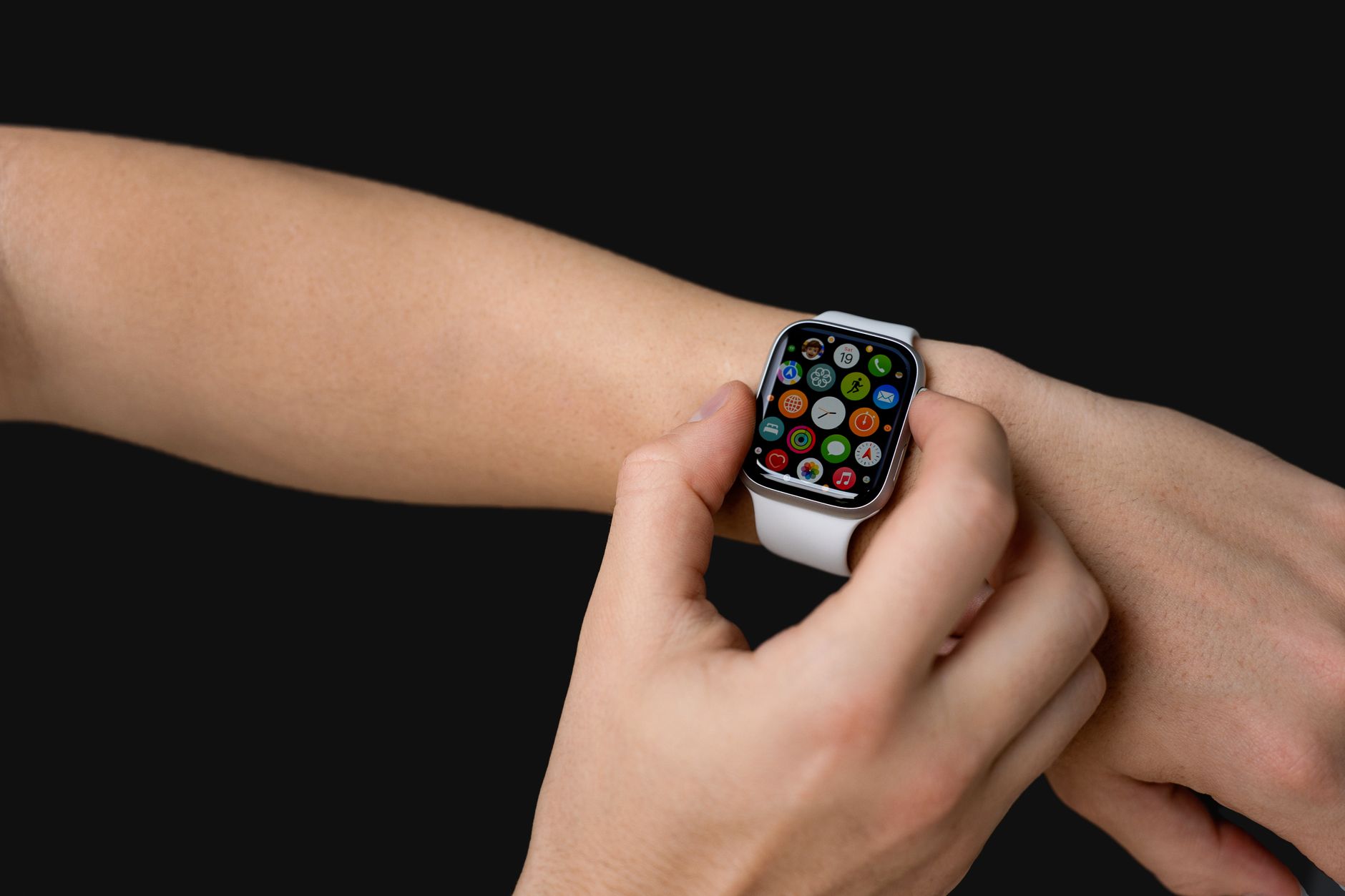
This feeds directly into the broader trend around self-monitored health. Tools like Baseline have become part of how men engage with their cardiovascular health outside of clinical settings, cutting out the anxiety and inconvenience that often stops people from getting consistent readings in the first place. That matters because consistent data is where the insight actually lives.
Social media and the “vulnerability is strength” era
Gen Z men are growing up in a culture where talking about mental and physical health is, genuinely, more socially acceptable than it was for their dads. Creators on YouTube and TikTok have built substantial audiences around men’s health content: blood work breakdowns, fitness recovery routines, conversations about testosterone and mental wellbeing. Some of it is pseudoscience dressed up in confidence, sure. But a lot of it is genuinely pointing men towards GP consultations, specialist tests, and lifestyle changes they’d never have considered a decade ago.
The men’s wellness space has exploded commercially too. Brands like Manual (now part of the MoreLife group) and Numan have built UK businesses specifically around making it easy for men to get prescriptions, blood tests, and health consultations without the traditional barriers. The fact that these companies have attracted serious investment capital tells you something about where demand is going.
Interestingly, this also connects to broader economic and generational patterns. Research into how older British men are engaging with health as part of their longer working lives is well covered in how Britain’s over-sixties are rethinking health and retirement, and a lot of the same drivers apply: men who expect to live and work longer are more motivated to manage their health proactively, not reactively.
GP access and the friction problem
None of this works if men can’t actually get seen. GP access in England remains under serious pressure, with average wait times for a routine appointment sitting at over two weeks in many parts of the country. That friction disproportionately affects men, who are already more likely to deprioritise their health without an immediate trigger.
The NHS’s ARRS (Additional Roles Reimbursement Scheme) has brought pharmacists, physiotherapists, and health coaches into primary care teams, creating more entry points. Some integrated care boards are also experimenting with “men’s health hubs” that combine GP access with wellbeing support in community settings. It’s early, but the direction is right.
The doom spending habits that quietly eat into people’s finances are worth flagging here too, because financial stress and physical health are tightly linked. Research consistently shows that men under financial pressure are significantly less likely to seek medical help. The piece on how economic anxiety is affecting British spending behaviour is a good read if you want to understand the psychological backdrop that makes health engagement harder for men under financial strain.
What’s actually working right now
The campaigns that land best aren’t the ones that lecture. Movember remains one of the most effective male health campaigns running globally, partly because it ties action to identity and community rather than fear. In 2025, Movember UK raised over £27 million, funding prostate cancer research, testicular cancer awareness, and men’s mental health programmes. The model works because it’s social, it’s got a time limit, and it gives men something to do rather than something to worry about.
Workplace wellbeing programmes have also improved. More UK employers now offer health screenings as part of their benefits packages, and some of the bigger corporates run Men’s Health Week events internally with biometric testing on-site. It still varies massively by sector and employer size, but the trend is moving in the right direction.
The generational shift is real, even if it’s uneven. Millennials and Gen Z men are more comfortable than any previous generation in talking about their physical health alongside their mental health. That’s not a small thing. It’s the cultural change that all the campaigns, wearables, and NHS programmes are trying to accelerate, and for once, it feels like the momentum is genuine.
Frequently Asked Questions
Why are British men less likely to visit their GP than women?
Research consistently points to a mix of cultural conditioning, stoicism, and practical barriers like work schedules making it harder for men to prioritise GP appointments. Stigma around appearing vulnerable or unwell also plays a role, though this is shifting, particularly among younger men.
What NHS programmes are targeting men's health in the UK?
NHS England runs a dedicated men’s health programme focused on cardiovascular disease, cancer screening uptake, and mental health access. Many GP practices also partner with local employers and community organisations to deliver screenings and health checks outside traditional clinical settings.
Can wearable tech like smartwatches actually help detect serious health conditions?
Yes, to a meaningful extent. Devices with heart rate monitoring and ECG features have flagged atrial fibrillation in users who were asymptomatic, leading to GP referrals and early treatment. They’re not a replacement for clinical diagnosis, but they’re a legitimate early-warning tool.
What is Movember and how does it support men's health in the UK?
Movember is an annual campaign held each November where participants grow moustaches to raise funds for men’s health causes, including prostate cancer, testicular cancer, and mental health programmes. In 2025, Movember UK raised over £27 million for research and support services.
Are blood pressure checks something British men can do at home?
Absolutely, and it’s increasingly encouraged. Home blood pressure monitoring gives more consistent data than a single clinical reading and removes the anxiety factor that can skew results in a surgery. Validated monitors are widely available, and NHS guidance supports their use between appointments.

Leave a Reply