

Five years. That’s how long some people in Bristol are currently waiting for an allotment plot. In Leeds, parts of Manchester, and across inner London, the queues are just as grim. The allotment waiting list UK-wide has become genuinely absurd, and it’s not just retired folk with a shed habit driving this. A younger generation, post-pandemic and increasingly fed up with supermarket prices, has decided it wants to grow its own food and cannot get anywhere near a plot to do it.
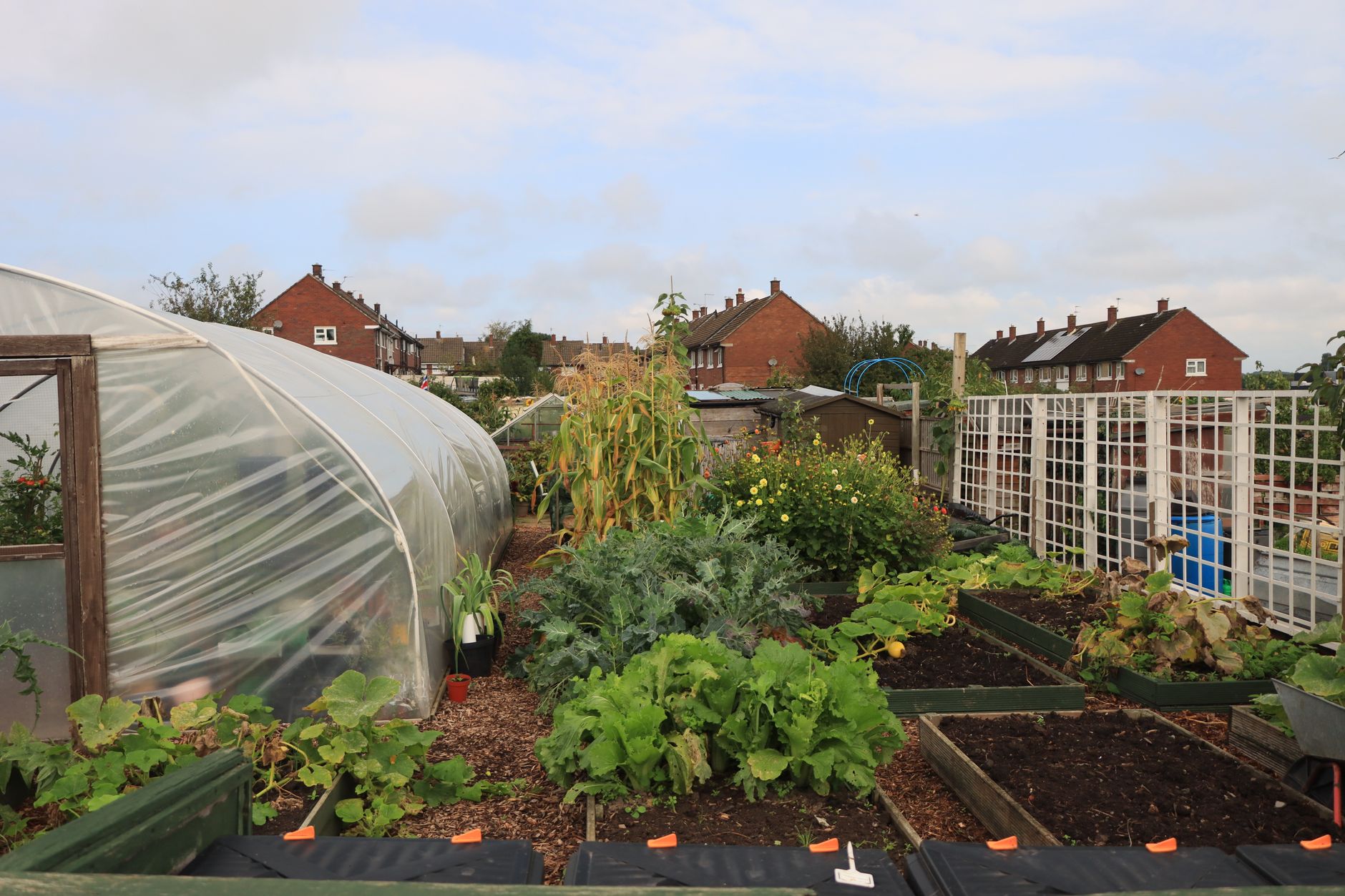
The numbers bear this out. According to data from the National Allotment Society, there are an estimated 90,000 people currently on waiting lists across England alone. Some councils have simply stopped accepting new applications because the lists are so long they feel pointless. I spoke to someone in Sheffield last year who’d been on the list for three years and had just received a letter saying she’d moved up 40 places. She was still 200 from the front.
Why everyone suddenly wants a plot
The surge didn’t come from nowhere. The pandemic cracked something open in the British relationship with outdoor space. People who’d spent months in flats and terraced houses with no garden suddenly wanted soil under their fingernails. Then the cost-of-living crunch arrived and made growing your own look less like a hobby and more like a sensible financial decision. A bag of salad leaves that costs £1.80 in a supermarket can be grown in a window box for pennies. Scale that up to a 250-square-metre plot and you’re talking about hundreds of pounds of produce across a season.
Social media accelerated it too. TikTok and Instagram turned allotment gardening into something aspirational rather than something your nan did. Accounts posting hauls of courgettes and freshly dug potatoes pull serious engagement. The aesthetic of growing things is having a moment, and that’s brought in people who might never have considered it before.
There’s also a mental health angle that feels genuine rather than performative. Getting outside, doing physical work with a tangible result, being part of a local community of plot holders, these things register. The broader shift in how British people think about their wellbeing is real, and allotments sit squarely in that conversation.
How long is the allotment waiting list UK councils are actually managing?
It varies wildly, which is part of the problem. Rural areas in Wales or the north of Scotland might have plots available almost immediately. Urban England is a different world. The gov.uk allotment guidance technically requires local authorities to provide sufficient allotments for residents who want them, under the Small Holdings and Allotments Act 1908 (yes, 1908). In practice, this legal duty is honoured in the breach across most major cities.
London is the worst. Some boroughs in Hackney, Lambeth, and Islington have waiting lists running to eight or nine years. Birmingham City Council’s lists in certain wards have reportedly hit the decade mark. Even medium-sized cities like Norwich, Cambridge, and Exeter are showing four-to-six-year waits in popular areas. Councils point to land constraints, planning pressures, and funding cuts. All three are legitimate problems. None of them fully explain why the statutory duty has been left to rust for so long.
One frustrating quirk: waiting list management is inconsistent. Some councils use first-come-first-served systems. Others prioritise based on postcode proximity to a site. A few have introduced lottery systems to reduce the advantage of applying early. If you’re on a list and haven’t heard anything in a while, it’s genuinely worth contacting your local council’s parks or open spaces department directly, because some lists have people on them who’ve moved away or lost interest but never been removed.
What people are actually doing instead
Given that waiting five years for a patch of ground isn’t viable for most people, a parallel ecosystem of workarounds has grown up. Some of it is formal, some of it is very much not.
Community gardens are the most accessible entry point. These are shared spaces, often run by charities, housing associations, or local councils, where anyone can turn up on designated days and get their hands dirty without needing their own plot. Groups like Incredible Edible, which started in Todmorden and has since spread across the UK, have made community growing a genuinely political act. Their model of planting food in public spaces and encouraging people to harvest freely is one of the more interesting ideas in this space.
Plot sharing has also become more organised. Websites like Landshare.net match people who have garden space they don’t use with growers who want somewhere to dig. It’s a peer-to-peer workaround that sidesteps the council system entirely. My personal take: it works best in suburban areas where people have large gardens and the social trust to invite a stranger in. Urban areas are trickier.
Guerrilla growing, which is exactly what it sounds like, is more contested. People planting on unused public or private land without permission. It’s technically illegal in most cases, though prosecutions are rare. In some cities, particularly London, guerrilla gardens have been tolerated or even quietly adopted by councils once they’ve established themselves. The patches of flowering vegetables you see on roundabouts and railway embankments in Peckham or Hackney didn’t get there by accident.
For those with any outdoor space at all, container growing has become surprisingly serious. People are growing significant quantities of food on balconies, patios, and flat rooftops using raised beds and grow bags. You’re not getting the same yield as a full plot, but a determined person with a south-facing balcony can produce a lot across spring and summer. Seed banks, which let you borrow seed varieties from a community library and return seeds at the end of the season, have taken off alongside this movement.
Is anything actually changing?
A handful of councils are making genuine efforts. Bristol City Council has been piloting a scheme to bring derelict urban land into use as community growing spaces. Southwark has opened new allotment sites in recent years. But these are isolated cases rather than a systemic shift.
There’s a real policy gap here. The pressure on urban land is enormous, and allotments compete directly with housing development. Given the housing crisis, land that could theoretically become allotments often becomes flats instead. That’s not an unreasonable trade-off in isolation, but it means the supply of plots is not keeping up with demand and probably won’t for a while.
Some campaigners are pushing for allotment provision to be embedded in new housing developments above a certain size, similar to how affordable housing percentages are currently negotiated. Whether that gains political traction is another question. For now, most people stuck on a long list are better off treating the wait as background noise and finding a workaround in the meantime.
The appetite to grow is clearly there. The infrastructure just hasn’t caught up. And in the meantime, a whole generation is learning to work with what it’s got, which, honestly, is very on-brand for 2026 Britain.
Frequently Asked Questions
How do I join an allotment waiting list in the UK?
Contact your local council’s parks or open spaces department and ask to be added to the waiting list for allotments in your area. Some councils allow you to apply online via their website. Put your name down in multiple nearby areas if possible, as waiting times vary significantly from site to site within the same borough.
How long is the average allotment waiting list in the UK?
It depends heavily on where you live. Rural areas can have plots available almost immediately, while inner-city areas in London, Manchester, and Bristol regularly show waits of four to nine years. The National Allotment Society estimates around 90,000 people are currently on waiting lists across England.
Are councils legally required to provide allotments?
Yes, under the Small Holdings and Allotments Act 1908, local authorities in England and Wales have a statutory duty to provide allotments if there is sufficient demand. However, enforcement of this duty is weak, and many councils are not meeting it in practice, particularly in high-demand urban areas.
What are the best alternatives to an allotment while I wait?
Community gardens, plot-sharing schemes like Landshare, and container growing on balconies or patios are the main practical alternatives. Some areas also have guerrilla growing groups or food-sharing projects like Incredible Edible that welcome new participants without requiring a plot of your own.
Leave a Reply