

The Environment Agency quietly dropped updated flood risk modelling earlier this year, and the numbers are not reassuring. Around 6.3 million properties in England are now estimated to be at risk of flooding, up from previous figures, and the revised UK flood risk map has reshuffled which postcodes sit in the danger zones. If you own a home, are trying to get a mortgage, or are wondering why your home insurance renewal came back eye-wateringly high, this is the piece you need to read.
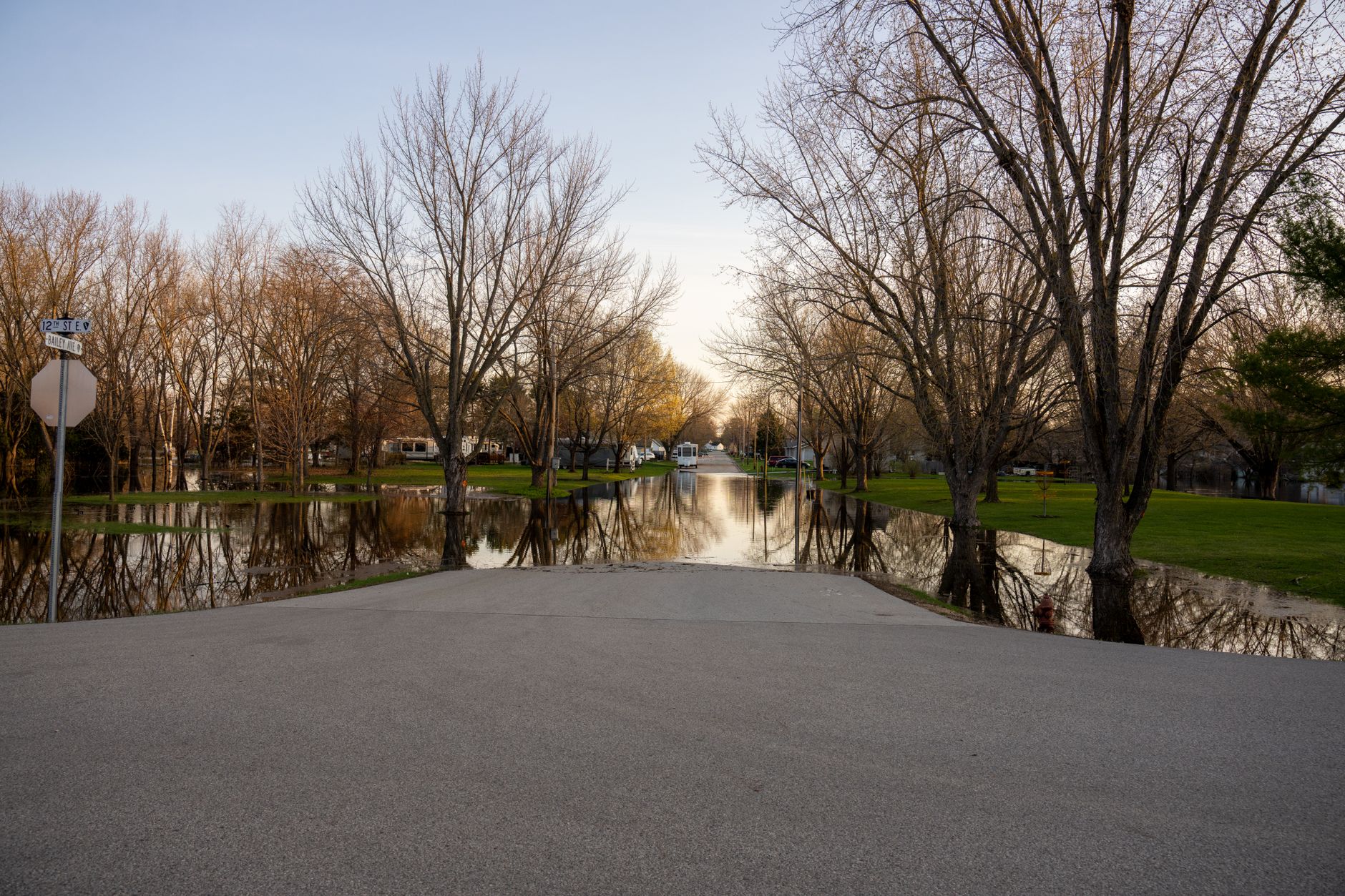
What the Environment Agency actually changed
The agency uses a tiered system: Flood Zone 1 (low risk), Flood Zone 2 (medium risk), and Flood Zone 3 (high risk, split further into 3a and 3b, the functional floodplain). The 2026 modelling update incorporated newer climate projections, more granular surface water run-off data, and revised tidal surge estimates along coastal stretches, particularly in East Anglia, the Humber estuary, and Somerset Levels. Properties that sat comfortably in Zone 1 five years ago have, in some cases, slipped into Zone 2 or even 3. That is not a minor admin update. That is a change that can affect whether your bank will lend against your house.
You can check the current data yourself on the Environment Agency’s official long-term flood risk checker, which is free and takes about thirty seconds. I’d genuinely encourage everyone to do this before reading any further. The result might surprise you.
How flood risk zones affect mortgage eligibility
Mortgage lenders are not legally required to refuse applications on high-risk properties, but many major banks now instruct their valuers to flag Zone 3 properties explicitly. HSBC, Nationwide, and Halifax all include flood risk as a material consideration in property assessments. If a surveyor flags significant flood risk, a lender can reduce their loan-to-value offer, require a specialist survey, or withdraw entirely. I’ve spoken to people in parts of Lincolnshire and the Yorkshire Wolds who’ve had mortgage offers pulled at the last minute after the revised zone data updated mid-application. It is a legitimate nightmare.
The situation is even more complicated for remortgaging. A homeowner who bought in Zone 1 in 2019 and is now sitting in Zone 2 under the new modelling may find their current lender unwilling to offer a competitive deal at renewal. Switching lenders becomes harder when the risk picture has changed. The longer-term implication here is that some properties in reclassified areas are quietly becoming harder to sell, which feeds into a broader conversation about the financial pressures already stacking up on UK homeowners from every direction.

Insurance: the numbers are getting brutal
Flood Re, the government-backed reinsurance scheme that subsidises flood cover for high-risk homes, has been a genuine lifeline since its launch in 2016. It covers around 250,000 properties. The problem is that Flood Re is built to wind down by 2039, with the idea that by then the insurance market will have “naturally” adjusted. That looks increasingly optimistic given that the number of properties in high-risk zones is growing, not shrinking.
For properties that do fall outside Flood Re’s remit, or that sit in Zone 3 with a history of actual flood claims, premiums are climbing fast. The Association of British Insurers (ABI) confirmed in early 2026 that average home insurance premiums had risen 19% year-on-year, with flood-risk properties in some regions seeing spikes closer to 40%. Excesses on flood cover specifically can run into the thousands of pounds. For some homeowners in places like Hebden Bridge or Bewdley, which have flooded repeatedly, the excess is higher than the cost of the average flood damage event. At that point, the policy is essentially useless in practice.
Some insurers are simply refusing to quote for properties with more than two flood claims in the past five years, full stop. Others are offering cover that excludes flood entirely, which creates an interesting legal grey area when homeowners try to sell without disclosing that gap to buyers.
Which regions are most affected by the new modelling?
The revised UK flood risk map hits several areas particularly hard. The Thames Estuary beyond Gravesend, large parts of the Norfolk Broads, coastal strips in Kent and East Sussex, the Mersey floodplain around Warrington, and low-lying land around the River Severn in Shropshire and Worcestershire all saw material changes in risk categorisation. Scotland has its own flood risk framework managed by the Scottish Environment Protection Agency (SEPA), and Wales via Natural Resources Wales, both of which have also updated their modelling in line with new climate scenarios.
Rural areas have not escaped either. Farming communities in the Somerset Levels have faced this reality for over a decade, and the pattern of extreme wet winters is pushing more agricultural land into formal risk categories. This has knock-on effects on rural property values and, indirectly, on the cost of food supply chains. Even the urban fringes are catching it: new-build estates on former industrial brownfield land, which developers often pitched as “flood managed”, are now being reviewed under the updated surface water modelling.
What can homeowners actually do?
A few practical steps exist. First, check the Environment Agency map and get an independent flood risk survey if your property sits in or near Zone 2. A specialist report can sometimes be used to challenge a lender’s valuation position or negotiate with insurers. Second, look at physical flood resilience measures: flood doors, non-return valves on drains, raised electrical sockets. DEFRA has a property flood resilience grant scheme available through some local councils for properties that have flooded, worth up to £5,000. Ring your council and ask directly, because these grants are chronically underadvertised.
Third, if you’re buying in an area that now appears on the updated UK flood risk map, factor in the long-term insurance trajectory, not just the quote you get this year. The affordability picture in five years could look very different. It’s the same kind of forward-looking financial thinking that’s reshaping how younger generations approach big financial decisions altogether, whether that’s retirement savings or housing security.
And if you’re looking at a property near a main road in a flood-affected zone, here’s a slightly unexpected consideration: road drainage condition directly affects surface water run-off into residential areas. The state of Britain’s road infrastructure is already under enormous pressure, and degraded drainage infrastructure makes localised flooding worse. It all connects.
The market reality no one wants to say out loud
Here’s my read on this: a quiet but significant repricing of flood-risk property is already underway in parts of Britain, and most people in affected areas haven’t clocked it yet. The updated UK flood risk map is the mechanism by which that repricing will accelerate. Homes that can’t be insured at a sensible cost, can’t easily attract mortgage lending, and carry a disclosed flood history are going to struggle to hold value. The homeowners who move early, either adapting their properties or diversifying how they think about their assets, are the ones who’ll be in a better position when the rest of the market catches up.
I’m not saying run. I’m saying: check your postcode, read your policy documents, and stop assuming that nothing has changed since you last looked. It probably has. Industries from real estate to automotive are having to rethink their digital strategies in response to rapid environmental and economic shifts, much like dijitul Automotive is doing in its own sector. Adaptation isn’t optional any more.
Frequently Asked Questions
How do I check if my home is on the updated UK flood risk map?
Go to the Environment Agency’s free online checker at check-long-term-flood-risk.service.gov.uk and enter your postcode. It will show which flood zone your property falls in and whether it faces risk from rivers, the sea, or surface water. The map was updated with new modelling data in 2025 and 2026.
Will being in a flood risk zone stop me getting a mortgage?
Being in Flood Zone 2 or 3 does not automatically block a mortgage, but it significantly complicates the process. Lenders instruct valuers to flag flood risk, and some may reduce their loan-to-value ratio or require additional surveys. Properties in Zone 3 with a flood claims history face the most scrutiny.
What is Flood Re and does my home qualify?
Flood Re is a government-backed reinsurance scheme that helps keep home insurance affordable for around 250,000 high-risk properties in the UK. To qualify, your property must have been built before 1 January 2009 and must be a private residential home. Leasehold flats and small businesses are generally excluded.
How much can home insurance premiums increase because of flood risk?
It varies widely. The ABI reported average home insurance premium increases of 19% year-on-year in early 2026, but flood-risk properties in reclassified zones have seen rises closer to 40% in some regions. Properties with multiple previous flood claims may find some insurers refusing to quote at all.
Can I get financial help to make my home more flood resilient?
Yes. DEFRA’s property flood resilience grant offers up to £5,000 for eligible homes that have experienced flooding, available through local councils. Eligible improvements include flood doors, non-return drain valves, and raised electrical sockets. Contact your local council directly as the scheme is not well publicised.
Leave a Reply