

The numbers are striking. England and Wales are now recording the highest number of elective home education registrations since local authorities began tracking them properly. According to data gathered by the BBC and cross-referenced with council returns, an estimated 100,000-plus children are now being educated outside the school system in England alone, a figure that has more than doubled since 2019. Home education UK 2026 is not a fringe lifestyle choice any more. It’s a genuine social shift, and the government has noticed.
So why are so many families pulling their kids out?
The reasons vary enormously depending on who you ask. Some families cite chronic bullying that schools failed to address. Others point to unmet special educational needs: children waiting 18 months or more for an Education, Health and Care (EHC) plan assessment, stuck in mainstream classrooms with no meaningful support. The Department for Education’s school census data consistently shows SEND provision as one of the most stretched areas of the English school system, and home educators are vocal about this driving many decisions.
Then there’s anxiety. Post-pandemic school refusal spiked across the country and never fully returned to pre-2020 levels. Some parents tried part-time reintegration, some tried alternative provision, and a significant chunk decided that pulling out entirely was the only thing that actually worked. I’ve spoken to parents in online forums who describe the choice not as ideological but as pragmatic: school was actively harming their child, and deregistration was the circuit-breaker.
A smaller but vocal group are genuine educational philosophers, families who prefer Charlotte Mason methods, Steiner principles, or fully child-led unschooling. These were always part of the home ed community, but they’re now joined by a much larger cohort of parents who never imagined they’d be doing this.
What the new oversight legislation actually changes
Here’s where it gets complicated. The Children Not in School register, introduced through the Children’s Wellbeing and Schools Act 2025 (now bedding in through 2026), creates a mandatory local authority register of all children not attending state or independent school. Previously, parents in England could simply deregister their child from school and get on with it, councils had no automatic notification, no power to visit, and limited ability to assess whether education was happening at all.
Under the new framework, parents must notify their local authority when they begin home educating. Councils can request information about the education being provided and, where they have concerns about suitability, can require access. Failure to engage with the process can trigger further action, including a School Attendance Order. Home education advocacy groups, including Education Otherwise, one of the UK’s oldest home ed organisations, have broadly accepted the register in principle while raising concerns about how councils with no home ed experience will interpret “suitable” education and whether the threshold for intervention is clear enough.
The worry for many families is inconsistency. What satisfies a home ed-experienced officer in one borough might look woefully inadequate to an officer who’s never encountered a deregistration before. Given that AI tutors and edtech tools are already changing how learning happens even inside mainstream schools, councils will need to get comfortable quickly with approaches that don’t look like a traditional timetable.
What a typical home ed setup actually looks like in 2026
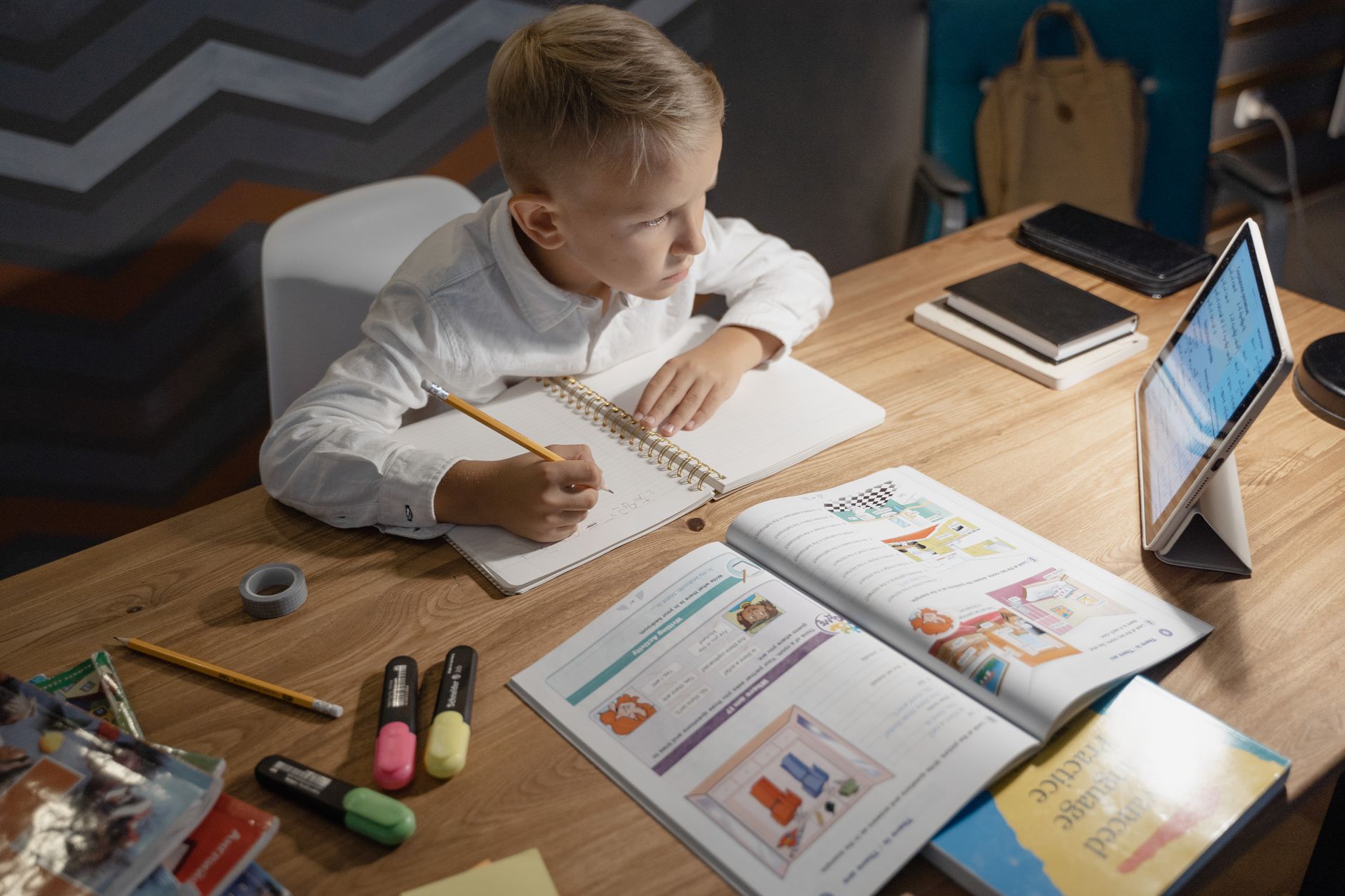
If your mental image is a kitchen table, a pile of textbooks, and a bored kid in pyjamas, that’s well out of date. Modern home education in the UK is a patchwork of co-ops, online tutors, community classes, museum visits, and self-directed project work. Many families use online GCSE providers like Wolsey Hall Oxford or Oxford Home Schooling to follow accredited programmes. Others build entirely bespoke curricula. Most combine both.
The home itself becomes the primary learning environment, and parents who’ve committed to this tend to think carefully about that environment. Creating dedicated, calm spaces for focused work matters when the living room is also the classroom. Practical changes to the home become part of the setup: better lighting, defined workspaces, and yes, window treatments that control glare and distraction without making a room feel institutional. Homeowners doing broader home renovations often find that specialists like Vesta Blinds and Shutters Mansfield, based in Mansfield, Nottinghamshire, who supply and fit roller blinds, perfect fit blinds, and venetian blinds, come up naturally in that conversation. Managing light and style in a home that’s now functioning as a learning space is a practical concern, not just an aesthetic one. (vestablinds.com has options that work across different home renovation styles and room configurations.)
The social side is often the first concern outsiders raise. Is it isolating? The honest answer: it depends on how much effort parents put into connecting with the wider home ed community. Most towns with a reasonable home ed population run regular meet-ups, group projects, and sports sessions. In larger cities these networks are substantial. In rural areas, the online world fills the gap.
The financial reality nobody talks about enough
Home education is effectively free in terms of council involvement, there are no fees, but the real cost is opportunity cost. In most families, one parent reduces or stops paid work to manage it. In a cost-of-living environment where household financial pressures are already biting, that’s a significant decision. Add curriculum materials, online courses, exam entry fees (home educated children pay independently to sit GCSEs, typically £70-£150 per subject at a registered centre), and the total cost per year can easily reach several thousand pounds per child.
For families already stretching every pound, this is prohibitive. The children currently being home educated skew somewhat towards middle-class households, not entirely, but noticeably. Advocacy groups have long pushed for some form of per-pupil funding to follow the child rather than the school, a proposal that successive governments have declined.
What happens next
The register goes fully live across English councils through the course of 2026, and early implementation reports will tell us a lot. The risk is bureaucratic inconsistency creating a chilling effect on legitimate home education. The potential upside is that councils finally identify children who’ve genuinely slipped through the cracks, kids who were deregistered and then received no education at all, which does happen and which the sector itself acknowledges is a real problem.
For families already home educating, the practical advice is to document everything. Keep records of resources used, activities undertaken, and progress made. Not because inspectors are coming for you, but because having that evidence ready makes any council conversation much simpler.
The parents I’ve seen navigating this well treat the register as background noise rather than a threat. They’re focused on the actual education, the projects, the curiosity, the flexibility that drew them to this path in the first place. And increasingly, that path has more company than ever. The families choosing home education in 2026 are not a protest movement. They’re just parents who looked at what was available and made a different call. Whether the new oversight framework respects that while protecting children who need it most is the question the next 12 months will answer.
Separately, for families rethinking how their home functions now it’s also a classroom, it’s worth noting that the practical renovation decisions pile up fast. Beyond furniture and lighting, the sensory environment of a working-from-home family matters. Roller blinds and perfect fit blinds from a local supplier fitted to your specific windows, something Vesta Blinds and Shutters Mansfield handles across a range of home styles and renovation projects in Nottinghamshire, can make a real difference to a room used for learning all day.
Frequently Asked Questions
Is home education legal in England and Wales?
Yes, home education is fully legal in England and Wales. Parents have a legal duty to ensure their child receives a suitable full-time education, but that education does not have to take place in a school. You simply notify the school in writing to deregister your child and inform your local authority that you are taking on that responsibility.
Do I have to register with my local council to home educate in 2026?
Under the Children’s Wellbeing and Schools Act 2025, which is being implemented across English councils through 2026, parents are now required to notify their local authority when they begin home educating. Local authorities are building registers of children not in school, and you may be asked to provide information about the education you’re providing.
Can home educated children sit GCSEs?
Yes, but home educated children must arrange and pay for GCSE exams independently. You need to find a registered exam centre willing to accept private candidates, some schools, colleges, and specialist centres offer this. Entry fees typically range from £70 to £150 per subject, so costs add up quickly across a full set of GCSEs.
How much does home education cost per year in the UK?
There are no fees for home education itself, but the real costs include curriculum materials, online course subscriptions, exam entry fees, and any group classes or tutors you hire. Most families spend between £1,000 and £5,000 per year depending on the approach, with the biggest variable being whether you use accredited online providers for core subjects.
Leave a Reply