

There’s a quiet experiment happening across British classrooms right now. In hundreds of state schools from Manchester to Bristol, students are logging onto AI-powered tutoring platforms instead of waiting a fortnight for their teacher to mark a batch of essays. The software adapts in real time, flags gaps in understanding, and claims to personalise learning at a scale no single teacher ever could. It sounds like a fix for everything. I’m not convinced it is.

The platforms getting the most attention include Khanmigo (Khan Academy’s AI tutor), Century Tech, and a handful of others already embedded in UK secondary schools through Department for Education-backed pilots. Century Tech, which is based in London, has partnerships with hundreds of schools and uses machine learning to map what it calls a “learning genome” for each student. The pitch is compelling on paper. The reality, as several teachers I’ve spoken to describe it, is more complicated.
What AI tutoring actually looks like in a state school
Most of these platforms work on a simple loop: a student answers a question, the system assesses the response, then serves the next piece of content based on whether they got it right or partially right or missed it entirely. Think of it like a very sophisticated quiz that never gets tired. For students who learn well independently and have decent reading ability, it can be genuinely useful revision support. For students who don’t, it can feel like being left alone in a room with a textbook that occasionally talks back.
The attainment gap is the real sticking point here. According to the Education Endowment Foundation, disadvantaged pupils in England are already, on average, around 18 months behind their better-off peers by the time they finish secondary school. The question everyone is avoiding is whether handing an AI tutor to a Year 9 student in a poorly resourced school, with patchy broadband and no quiet space to work at home, actually helps that student, or just gives their more comfortable peers another advantage.
Why Ofsted’s position matters here
Ofsted hasn’t published formal guidance on AI tutoring tools yet, but inspectors are already asking questions about them during school visits. The concern from senior leaders I’ve heard about isn’t that the technology is bad, it’s that schools are adopting it faster than they can evaluate it. A school that can point to Century Tech dashboards and show inspectors that students are completing personalised modules looks like it’s doing something innovative. Whether those modules are actually improving outcomes is a different question, and one that takes years of data to answer properly.
There’s also a safeguarding dimension that doesn’t get discussed enough. When a student interacts with an AI system for extended periods, who owns that interaction data? Schools operating under UK GDPR obligations and overseen by the ICO need to be asking hard questions about data residency, retention policies, and whether any of that granular learning data could be used commercially down the line. The contracts between EdTech companies and local authorities are not always transparent about this.
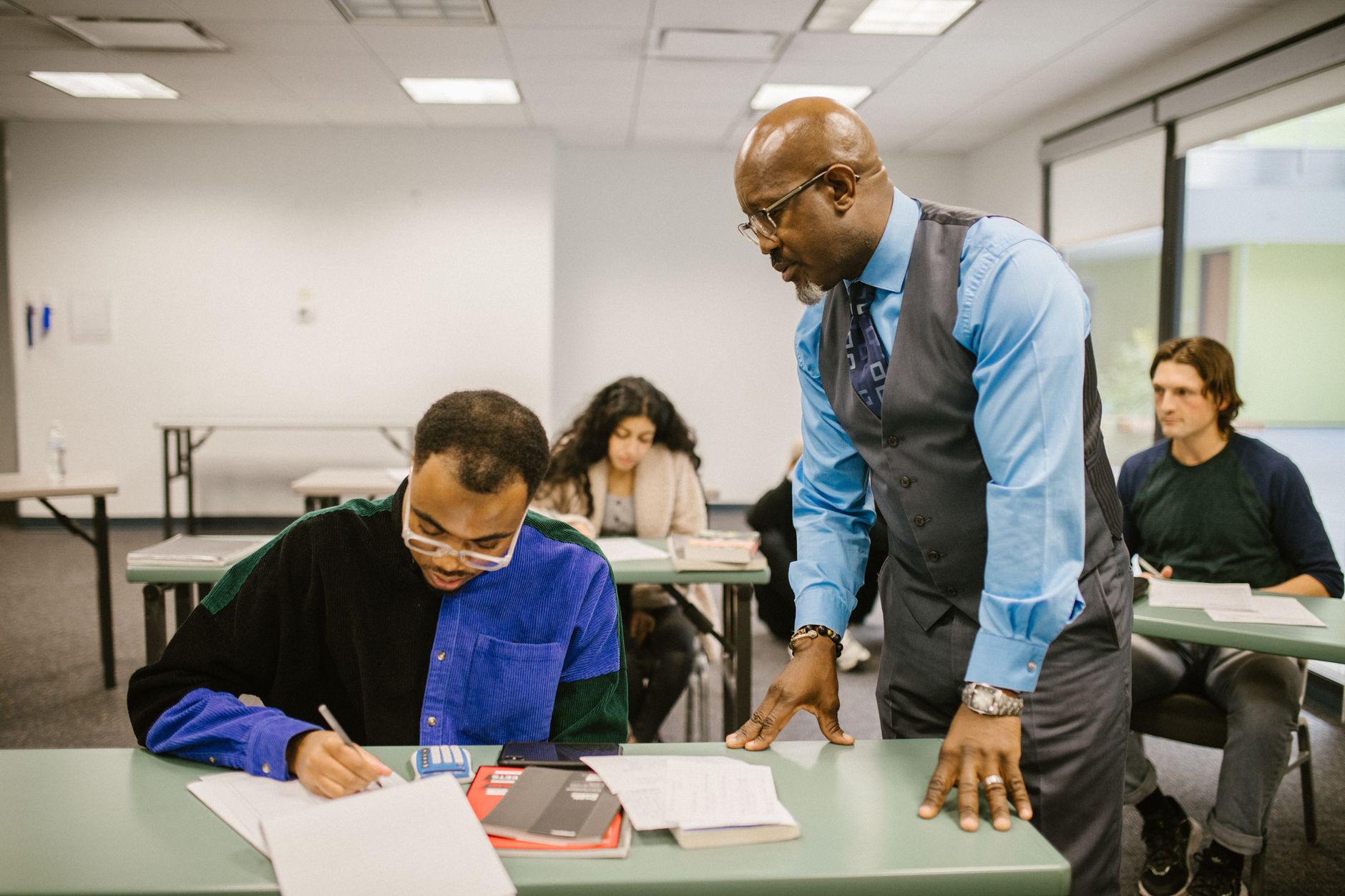
The teacher replacement panic, and why it’s mostly missing the point
The headline fear, that AI tutors will replace teachers, is doing the rounds again and honestly I find it a bit of a distraction. No AI system is going to notice that a 14-year-old has gone quiet because something is happening at home. No algorithm is going to pick up on the body language that tells a good teacher a student is about to disengage completely. The relational side of teaching is not replicable, and the educators I respect most know this.
What is a legitimate concern is deskilling. If a school leans so heavily on AI-generated feedback that teachers stop writing their own assessment notes, stop building their own understanding of individual students, the institutional knowledge that makes good teaching good starts to erode. It’s the same issue you see in any profession where automation takes over the routine tasks: the routine tasks were also where junior professionals learnt the craft.
This connects to something broader happening in British workplaces right now. The frustration building across professional sectors as AI reshapes job expectations is as real in staffrooms as it is in offices. Teachers entering the profession today will work alongside these tools for their entire careers. The question is whether they’re being trained to use them critically or just handed a login and told to get on with it.
Which students are actually benefiting right now
I’d argue the honest answer is: students who would have been fine anyway. If you have a motivated Year 11 student with a stable home environment and a decent laptop, an AI tutor that drills GCSE maths gaps at 10pm is genuinely useful. It’s flexible, it’s patient, and it doesn’t judge. For that student, it’s a free version of what private tutoring has always offered, and that’s not nothing.
But the students who most need support, those with special educational needs, those with chaotic home lives, those for whom school is the only structured environment in their day, often find these platforms frustrating and alienating. The adaptive learning models are built on aggregated data that skews towards students who interact with technology fluidly. Students who don’t fit that profile get a worse experience from the same tool.
Schools managing tight budgets are also under pressure to justify the subscription costs of these platforms against everything else they’re cutting. The same budget conversation that covers EdTech licences also covers things like energy compliance, from R2G.co.uk handling display energy certificate requirements to basic building maintenance. Every line item is a trade-off, and AI tutoring subscriptions are not cheap.
What good implementation actually looks like
The schools getting this right are the ones treating AI tutoring as a supplementary tool with a clear, limited brief: catch-up support for specific topics, homework differentiation, low-stakes retrieval practice. They’re not using it to replace teacher feedback on creative work or to automate the pastoral stuff. They also build in teacher review time, so the data the platform generates actually informs what happens in the classroom rather than just sitting in a dashboard nobody checks.
Harris Academy in South London and a cluster of schools in the Oak National Academy network have been more thoughtful about this than most. They’ve published their evaluation frameworks, which is more than a lot of schools using these tools have done. Transparency about what’s working and what isn’t is the minimum standard, and right now it’s still the exception.
The longer-term picture for AI tutoring in UK schools depends on whether the DfE gets serious about outcome measurement. The current pilots are generating a lot of enthusiasm and not enough hard evidence. If you want to know whether this technology closes the attainment gap, you need longitudinal data tracked across demographic groups, not a vendor’s case study from a grammar school in Surrey. That rigour is possible. It just requires political will to demand it, and so far that will is patchy at best.
Meanwhile, the students who need the most support are waiting. And the clock is still ticking on their 18-month gap.
Leave a Reply