

Somewhere between your third consecutive Skibidi Toilet clip and a video of a man eating cereal in slow motion set to phonk music, you lost twenty minutes of your life. Nobody warned you. Nobody stopped you. You just… kept scrolling. That is brain rot content in its purest form, and in 2026, it has completely swallowed the internet whole.
Let’s be honest about what we’re dealing with here. Brain rot content is not accidental. It is optimised, weaponised, and absolutely relentless. Platforms like TikTok, YouTube Shorts, and Instagram Reels have built ecosystems specifically designed to serve you the most algorithmically irresistible slice of nonsense every six to fifteen seconds. And we are all, collectively, falling for it.
What Actually Is Brain Rot Content?
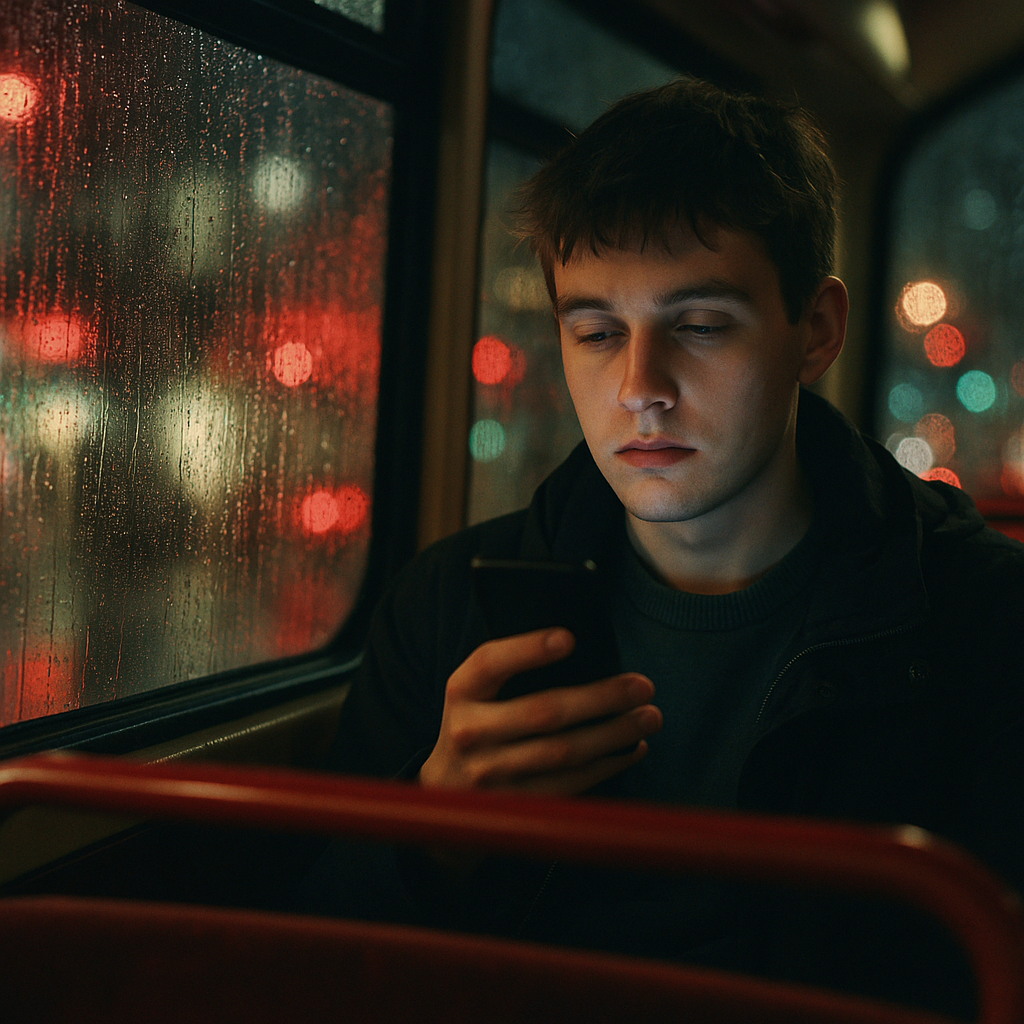
The term started as slang, obviously. It was Oxford’s Word of the Year for 2024, defined loosely as the perceived deterioration of a person’s mental or intellectual state as a result of consuming too much low-quality online content. But brain rot content has since evolved into something more specific. It refers to a particular aesthetic of video or media that is chaotic, hyper-fast, layered with meme references, and designed to deliver dopamine hits with almost no cognitive effort required.
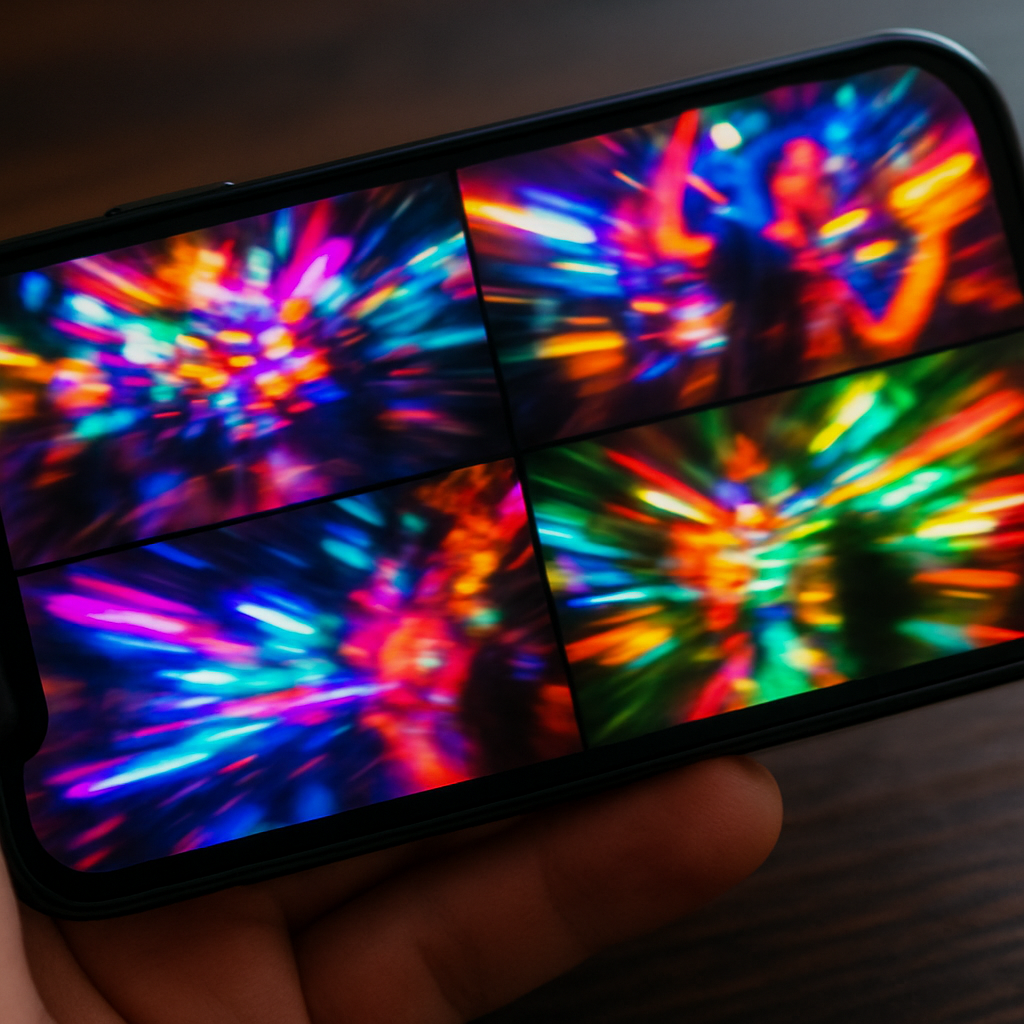
Think: Minecraft parkour playing underneath a Roblox gameplay clip, a Reddit story about someone’s unhinged flatmate being read in an AI voice, meanwhile Family Guy plays in a tiny corner of the screen. All simultaneously. None of it makes sense. All of it is completely watchable. That is the genius and the horror of it.
For UK audiences specifically, the pipeline has a distinctly British flavour now. You’ve got NPC streamers on TikTok LIVE racking up thousands of pounds in gifts, grime and drill audio layered under absurdist skits, and a whole generation of creators who have built serious audiences out of content that would have seemed genuinely incomprehensible five years ago.
Why Your Brain Is Basically Defenceless Against It
Here’s the uncomfortable science bit. Your brain craves novelty. New stimuli, new patterns, new information. Brain rot content is engineered to deliver constant novelty in the smallest possible windows of time. Every few seconds there is a new sound, a new image, a new absurd thing happening. Your dopamine system responds to each one. You feel engaged. You feel entertained. You feel almost nothing of substance.
Research from University College London suggests that heavy short-form video consumption is associated with reduced sustained attention capacity, particularly in younger users. This does not mean your brain is broken. It means it is adapting to the environment it is being fed. Which is exactly the problem.
The BBC has covered how social media platforms have restructured their recommendation engines to prioritise content that maximises watch time and re-engagement, not content that is meaningful or useful. The result is that brain rot content is not just popular, it is structurally favoured. You can read more about the attention economy debate at BBC News Technology.
Is Gen Z Actually Getting Dumber or Is This a Moral Panic?
Every generation gets accused of ruining culture. Boomers blamed television. Millennials got blamed for killing everything from mayonnaise to high street banks. Gen Z and Gen Alpha are now getting the brain rot label slapped on them by think pieces written by people who definitely still use Facebook unironically.
The honest take? It’s complicated. Brain rot content is not making people stupid. But it is changing the texture of attention. Reading a long article, watching a documentary, sitting through a film with a slow first act, those things feel harder when your brain has been trained by an endless scroll of seven-second videos. That is a real phenomenon. It is not a moral failing, it is a neurological adaptation.
What is actually interesting is the meta-awareness around brain rot content. The people consuming it know exactly what they are doing. Memes about being terminally online, jokes about having a rotted brain, ironic content about how we are all cooked, this self-awareness is baked into the culture. It is almost a badge of honour at this point. “I am so brain rotted I can’t read more than two sentences without opening another tab” is a relatable post that will get ten thousand likes by morning.
The Creator Economy Side of Brain Rot
Here’s where it gets genuinely fascinating. Brain rot content is not just a consumption habit, it is a serious industry. In the UK, creators building audiences on the back of intentionally chaotic, absurdist, or algorithmically engineered content are generating real revenue. TikTok’s creator fund, brand partnerships, LIVE gifting, merchandise drops, it all adds up.
Some of the fastest-growing UK creators in 2026 are not polished, high-production talent. They are people who have cracked the brain rot formula. Short loops, relatable chaos, audio that hits, and a posting frequency that would exhaust a newsroom. The barrier to entry is low. The ceiling, weirdly, is high.
Brands are adapting too. UK companies from fast food chains to mobile networks are commissioning brain rot-adjacent content because traditional advertising completely misses the scroll generation. If your ad does not land in the first 1.5 seconds, you’ve lost. That is the new creative brief.
Should You Actually Be Worried About Your Brain?
Probably a bit. Not catastrophically. But a bit. The case for concern is not that brain rot content is making you intellectually worse off in a permanent, irreversible way. It is that heavy consumption reshapes your habits around patience, depth, and focus without you noticing.
The practical advice doing the rounds right now is pretty sensible. Time-limit your short-form feed. Replace some of the scroll with longer content, podcasts, articles, books, films. Let your attention span stretch occasionally like a muscle you haven’t used in a while. You do not have to delete TikTok. You just can’t only do TikTok.
There is also an argument that brain rot content is simply the latest evolution of low-stakes entertainment, and that moral panic around it is overblown. People watched four hours of telly a night in the 1980s and nobody called it a civilisational crisis. The difference now is the interactivity, the personalisation, and the sheer volume. That part is genuinely new and genuinely worth paying attention to.
What is clear is that brain rot content is not going anywhere. If anything, it is going to get weirder, faster, and more precisely calibrated to keep you watching. The question is not whether you engage with it. You will. The question is whether you stay aware enough to choose when to put the phone down.
Frequently Asked Questions
What does brain rot content actually mean?
Brain rot content refers to online media, usually short-form video, that is intentionally chaotic, absurdist, or algorithmically engineered to be maximally addictive with minimal intellectual substance. The term was Oxford’s Word of the Year in 2024 and has since become a recognised cultural shorthand for this genre of content.
Does watching brain rot content actually damage your brain?
It does not cause permanent damage, but research suggests heavy consumption of short-form video content can reduce sustained attention capacity over time. Your brain adapts to the fast-stimulus environment, making longer, slower content feel more effortful. The effect is reversible with deliberate habit changes.
Why do platforms like TikTok keep showing me brain rot content?
Platforms prioritise content that maximises engagement and watch time, and brain rot content is extremely good at holding attention in short bursts. Their recommendation algorithms are specifically optimised to serve you the next thing before you can consciously decide to stop scrolling.
Is brain rot content just a Gen Z thing?
Not really. Whilst younger audiences generate and consume the most, brain rot content crosses age groups. The self-aware irony surrounding it is particularly Gen Z, but algorithmically addictive short-form media affects pretty much everyone with a smartphone and a social media account.
How can I reduce my brain rot content consumption without quitting social media entirely?
Setting screen time limits on short-form apps, deliberately replacing some scroll time with longer content like podcasts or articles, and turning off autoplay where possible are practical first steps. The goal is not abstinence but reintroducing patience and depth alongside the scroll.
Leave a Reply