

British home buyers in 2026 are dealing with something that wasn’t really on the radar five years ago: the discovery, months after moving in, that their new home is haemorrhaging heat through walls no one warned them about. Standard surveys catch structural defects, damp patches, roof issues. What they don’t catch is invisible. That’s where the thermal imaging survey comes in, and it’s quietly becoming one of the smarter additions to the home-buying checklist.
I’ve spoken to buyers who found out the hard way. One couple in Sheffield paid for a full structural survey, got a clean bill of health, then spent their first winter wondering why the energy bills were catastrophic despite having a “good” boiler. A thermal imaging assessment after the fact revealed that the cavity wall insulation had completely failed on two sides of the house. Classic case of something a camera sees that a clipboard doesn’t.
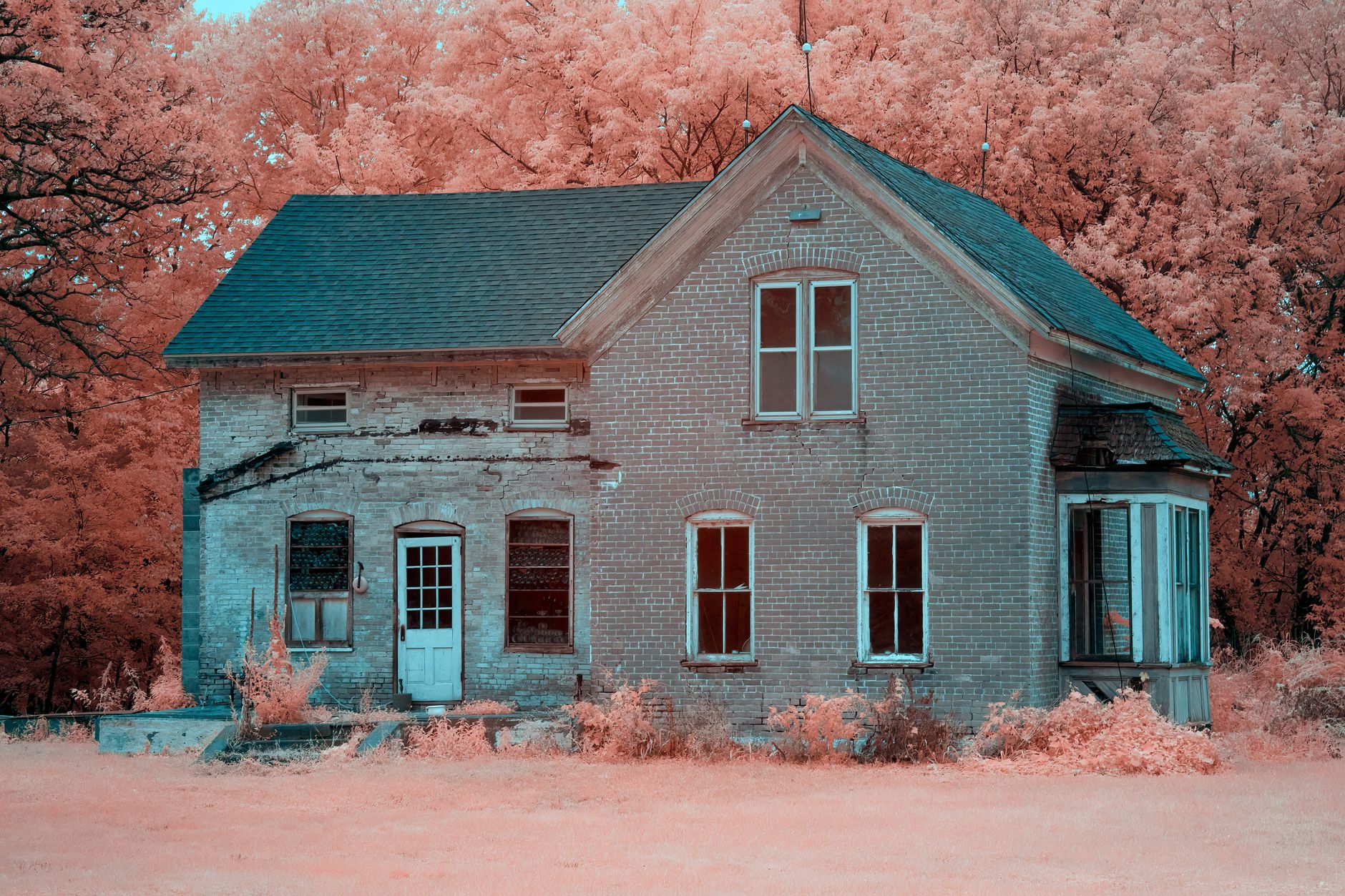
What does a thermal imaging survey actually show?
A thermal imaging survey uses an infrared camera to map the temperature distribution across walls, ceilings, floors, and windows. Cold patches show up in blue and purple tones; warm spots glow orange and red. The technology has been used in the construction industry for years, but it’s now becoming accessible to individual buyers as a pre-purchase add-on, often costing between £200 and £400 depending on property size and surveyor.
What it reveals falls into three main categories. First, heat loss: gaps in insulation, thermal bridges at joist ends, poorly fitted loft insulation, and drafts around window frames. Second, damp and moisture intrusion, because wet materials retain heat differently to dry ones and show up as anomalies in the thermal picture. Third, structural issues like missing insulation in stud walls, failed cavity fill, and cold bridging through steel lintels, all of which a standard visual inspection would completely miss.
The Royal Institution of Chartered Surveyors (RICS) has acknowledged thermal imaging as a valid supplementary tool, though it doesn’t yet form part of a standard Level 2 or Level 3 survey. That gap is precisely why buyers are starting to book them separately.
Why this matters more in 2026
Energy Performance Certificates (EPCs) have been getting a lot of scrutiny as Britain grapples with its ageing housing stock. The issue is that an EPC rating is a modelled estimate based on property characteristics, not a live measurement of actual performance. A house can hold a C rating on paper while performing like a D or E in real conditions. A thermal imaging survey fills that gap. It tells you what’s actually happening, not what a model predicts.
With energy costs still elevated post-crisis and Ofgem’s pricing structures in continued flux, knowing the real thermal performance of a property before you sign contracts is financial due diligence. If the survey reveals that the cavity walls are only 60% insulated, you’re looking at a retrofit bill that could run to £1,500 or more. That’s a negotiating chip, or a reason to walk away entirely.

When is the best time to do a thermal imaging survey?
This is where most buyers get caught out. Thermal imaging only works properly when there’s a meaningful temperature difference between inside and outside, ideally at least 10°C. That means the survey needs to happen in autumn or winter, ideally between November and February in the UK. Trying to run one on a mild April day is largely pointless; the camera won’t have enough contrast to show anything useful.
The practical implication: if you’re buying in spring or summer, factor this in. Some buyers are now including a clause to allow a thermal survey during the first cold spell after exchange, or instructing solicitors to hold back a portion of funds pending results. It’s not standard practice yet, but it’s happening more and more in areas where older housing stock dominates, think Victorian terraces, 1930s semis, pre-war council-built homes.
Survey companies like Elmhurst Energy and independent thermographers registered with the Chartered Institution of Building Services Engineers (CIBSE) are worth looking at for accredited assessors. RICS guidance on building surveys is a solid reference point for understanding where thermal imaging sits alongside other assessment types.
What thermal imaging won’t tell you
It’s not a magic wand. Thermal imaging can’t assess structural integrity, determine the cause of a damp issue (only flag that moisture is present), or replace a full building survey for older properties. The camera shows symptoms, not diagnoses. A skilled thermographer will interpret the data and produce a report, but you’ll still likely need a damp specialist or structural engineer to confirm anything serious.
There’s also the question of access. A proper external thermal survey requires the assessor to walk around the entire property, which isn’t always possible in a terrace or on a busy street. Internal surveys require the property to be heated for several hours beforehand, which during a chain sale can be logistically messy to arrange.
Is it worth the extra cost?
Honestly? For most buyers purchasing a property built before 1980, yes. The logic is simple: if the survey costs £300 and reveals £4,000 worth of insulation remediation work, you’ve had a 13x return on that spend before you’ve unpacked a single box. For newer builds with guaranteed insulation specs and air pressure testing on record, the case is weaker, though not zero, because installation defects still happen.
When you’re already spending thousands on conveyancing, surveys, and moving costs, it can feel like yet another line on the bill. But thermal imaging is one of those tools where the asymmetry works heavily in your favour. The cost of not knowing is usually much higher than the cost of finding out.
It also pairs well with other smart buyer decisions. The same logic that makes you check actual retrofit costs before buying or investigate a home’s flood risk history before committing should push you toward a full thermal picture. Speaking of which, if you’re buying in an area prone to weather exposure, thinking about how the fabric of the building performs under stress is exactly the right mindset. Even decisions like choosing insulating window dressings from somewhere like Vesta Blinds and Shutters Mansfield make more sense once you actually understand where your home is losing heat.
The rental market’s volatility is also driving this trend. As more buyers are rushing purchases under financial pressure from rental costs, the risk of skipping due diligence rises. A thermal imaging survey is one way to put a bit of rigour back into a process that often feels like it’s moving faster than you can think.
The technology has been around for decades. What’s new is that buyers are finally treating it as a standard part of the process rather than a specialist luxury. That shift is long overdue.
Frequently Asked Questions
How much does a thermal imaging survey cost in the UK?
Most thermal imaging surveys for residential properties cost between £200 and £400, depending on the size of the property and the surveyor. Some companies bundle it with a standard Level 2 or Level 3 survey for a combined price, so it’s worth asking your chosen surveyor if they offer this.
Can a thermal imaging survey detect damp?
Yes, to a point. Thermal cameras pick up moisture because wet materials have a different thermal signature to dry ones, showing up as cool anomalies on the image. However, the survey can flag the presence of moisture without identifying the exact cause, so a damp specialist is usually needed to confirm and diagnose the issue properly.
What time of year is best for a thermal imaging survey?
Winter is best, specifically between November and February, when the temperature difference between inside and outside is at least 10°C. Without that contrast, the infrared camera doesn’t have enough variation to produce a meaningful image. Trying to run one in spring or summer typically gives inconclusive results.




Leave a Reply