

Something shifted after the pandemic, and it hasn’t shifted back. The London to smaller cities migration that started as a lockdown experiment has quietly become a full-on lifestyle reset for hundreds of thousands of people. They left for cheaper rent, bigger flats, cleaner air, and a commute that didn’t cost them 90 minutes and their sanity. And the data backs it up: according to the Office for National Statistics, London recorded net internal out-migration throughout 2023 and 2024, with people aged 25 to 44 leading the exodus. In 2026, that trend hasn’t reversed. If anything, it’s accelerated.
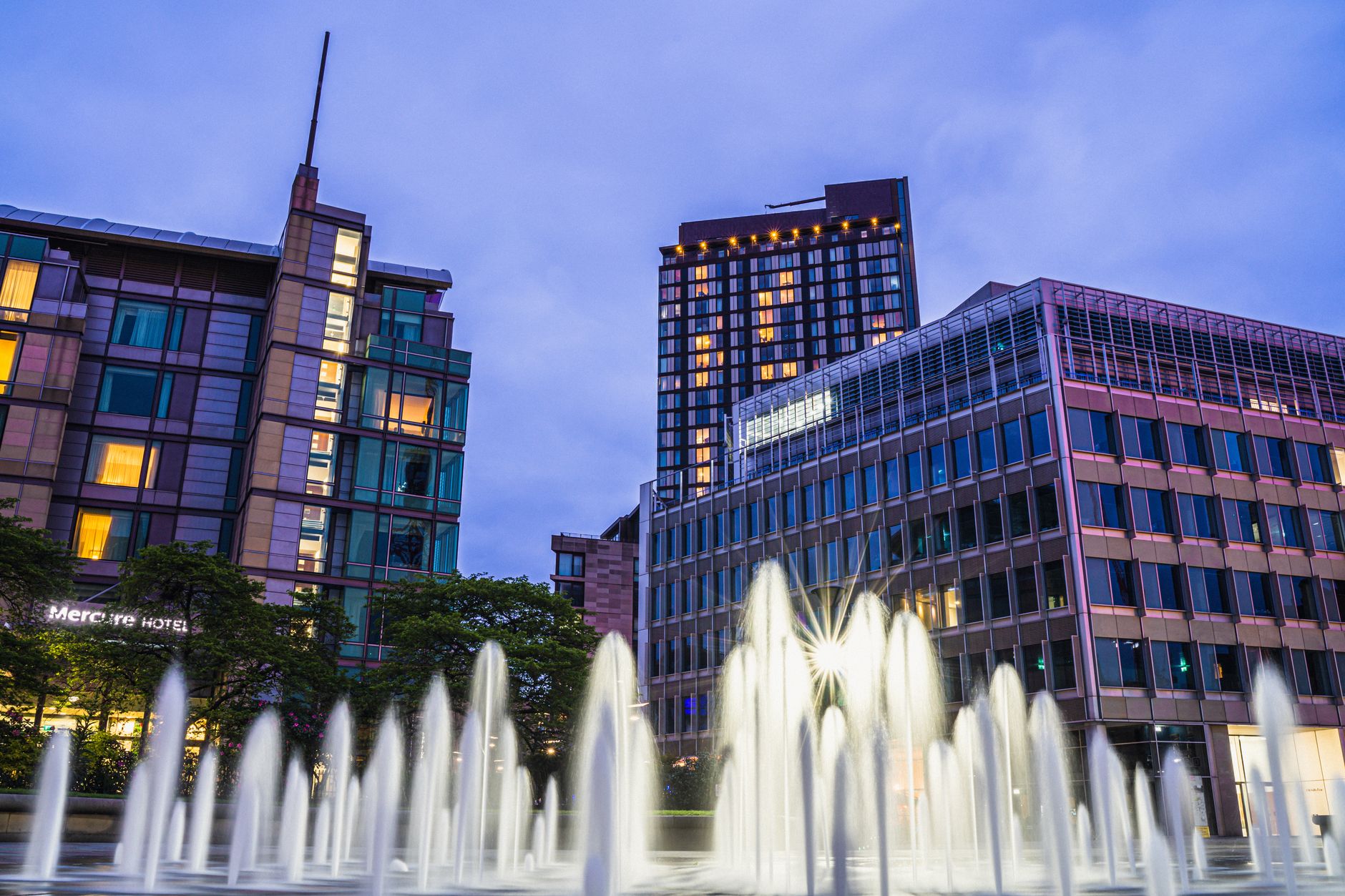
I’ve spoken to people who made this move and genuinely cannot imagine going back. A graphic designer who left Hackney for Sheffield in 2022 told me she went from a 35-square-metre flat costing £1,600 a month to a two-bedroom terrace with a garden for £850. Same job, same salary, completely different life. That’s not an anomaly, that’s the pitch that’s pulling people out of the capital city by city, postcode by postcode.
Where are people actually going?
Bristol keeps topping the lists. It’s got the creative scene, the universities, the independent café culture, and the transport links that make it feel like London-lite without the London price tag. Average rents in Bristol still feel steep by national standards, but they’re roughly 40% lower than comparable properties in inner London. People moving there tend to be in their 30s, often with kids or planning to have them, looking for space that London simply can’t offer at a price that makes sense.
Sheffield is the sleeper hit of this whole movement. It’s been quietly repositioning itself for years, a growing tech and creative sector, a university population that increasingly stays after graduating, and housing stock that still feels almost absurdly affordable by southern standards. A semi-detached in Crookes or Walkley that would cost over a million in most parts of London goes for under £300,000. The city’s got an identity now that it maybe lacked a decade ago, and people are noticing.
Further north, Dundee is the one that surprises people. The V&A, the waterfront regeneration, Scotland’s lower income tax rates for higher earners, it adds up. Remote workers in particular are discovering that a Scottish city with solid broadband, decent transport, and a thriving arts scene lets them keep a London-level salary while living somewhere genuinely different. I’d argue Dundee is where you start to see the logic of this migration get pushed to its most interesting extreme.
Remote work didn’t cause this, but it unlocked it
The honest answer is that remote work didn’t create the desire to leave London. The desire was always there. What changed is that it became possible. For years, people gritted their teeth and stayed because their jobs demanded it. Now, a huge slice of the workforce, particularly in tech, media, finance, and professional services, can work from anywhere with decent broadband. That permission slip changed everything.

The companies enabling this shift are everywhere now. Startups using cloud infrastructure tools, firms deploying AI assistants, agencies running fully distributed teams, tech like what you’d find through platforms like dijitul.ai means the actual physical location of a team matters less than it ever has. A developer in Dundee and a project manager in Bristol can collaborate just as effectively as two people sitting in the same Shoreditch open-plan office. That reality has untethered a generation of workers from the postcode they used to be stuck in.
It links directly to a conversation we’ve been having on here about how remote work culture is reshaping where British workers choose to live, and this domestic version of that story is just as significant as people heading abroad. You don’t have to go to Lisbon to escape London. Sheffield is two hours on the train.
What this actually means for regional economies
The knock-on effects are real and they cut both ways. Cities like Bristol and Sheffield are seeing property prices rise in the neighbourhoods most attractive to London migrants. That’s brilliant news if you already own a terrace in Kelham Island, and a genuine problem if you’re a local renter or first-time buyer trying to get on the ladder. The same gentrification anxiety that defined parts of east London a decade ago is now playing out on a smaller scale in Dundee’s West End and Bristol’s Totterdown.
But there are upsides that often get ignored in that conversation. Higher-earning incomers spend locally. They open accounts at local businesses, eat in local restaurants, use local childcare. The independent high streets that have survived, and some genuinely are surviving, as we covered in our piece on what’s actually moving into empty high street units, benefit from a consumer base that actively wants to shop local and has money to do it. Regional economies that felt like they were running out of road are seeing something that looks a lot like reinvestment.
The bigger structural question is whether this becomes self-sustaining. If enough employers either relocate or go fully remote-first, the talent pool in these cities deepens. That attracts more employers, more investment, more services. Sheffield already has a serious tech cluster forming. Bristol’s been there for years. Dundee is building something that feels genuinely exciting. The flywheel effect is real, it just needs enough momentum to keep spinning without defaulting back to London-first thinking.
Is London actually losing its grip?
London isn’t dying. Let’s be clear about that. It’s still the largest city in the country, still the financial hub, still the centre of gravity for certain industries. But its dominance as the only serious option for ambitious people in their 20s and 30s is weakening. That’s a genuinely new thing. For most of the past 30 years, the cultural script said you went to London, you struggled, you either made it or you gave up and went home. The idea that you might simply choose somewhere else as your first move, not as a fallback, but as a preference, that’s new, and it’s changing fast.
The people leaving aren’t failing. They’re recalibrating. And the cities they’re heading to are smart enough to roll out the welcome mat. This story’s still early, but I don’t think the capital’s going to look the same in another five years.
Frequently Asked Questions
Which UK cities are people moving to from London most often?
Bristol, Sheffield, Manchester, Leeds, and Dundee consistently appear in migration data as top destinations. Bristol and Sheffield in particular have seen significant inflows of former Londoners since 2021, driven by lower housing costs and strong local job markets.
How much cheaper is it to live in Sheffield or Bristol compared to London?
Average monthly rents in Sheffield can be 50-60% lower than equivalent properties in inner London, and Bristol runs roughly 35-45% cheaper depending on the area. Property purchase prices show an even starker gap, with a semi-detached in Sheffield typically under £300,000 versus well over £700,000 in most London boroughs.
Can you keep a London salary if you move to a smaller city?
Many remote workers do exactly that, particularly in tech, media, and professional services. Some employers are introducing location-based pay adjustments, but a significant number of fully remote roles still pay London-rate salaries regardless of where the employee is based, making the financial case for moving even stronger.
Is the London to smaller cities migration actually changing house prices in those cities?
Yes, in some areas. Neighbourhoods in Bristol, Sheffield, and Edinburgh that attract London migrants have seen above-average price growth. Local first-time buyers and renters in those specific areas face more competition, though prices remain substantially below London levels overall.
Leave a Reply