

The festival season looks great on paper. Record attendance numbers, headline acts pulling huge crowds, Glastonbury selling out in minutes. If you only read the press releases, British festival culture is thriving. But spend five minutes in any online ticketing queue, or try to budget a weekend at a mid-tier festival in 2026, and a very different picture emerges. UK music festival hidden costs have quietly turned what used to be a rite-of-passage summer experience into something only certain people can genuinely afford, and the industry is not being honest about it.
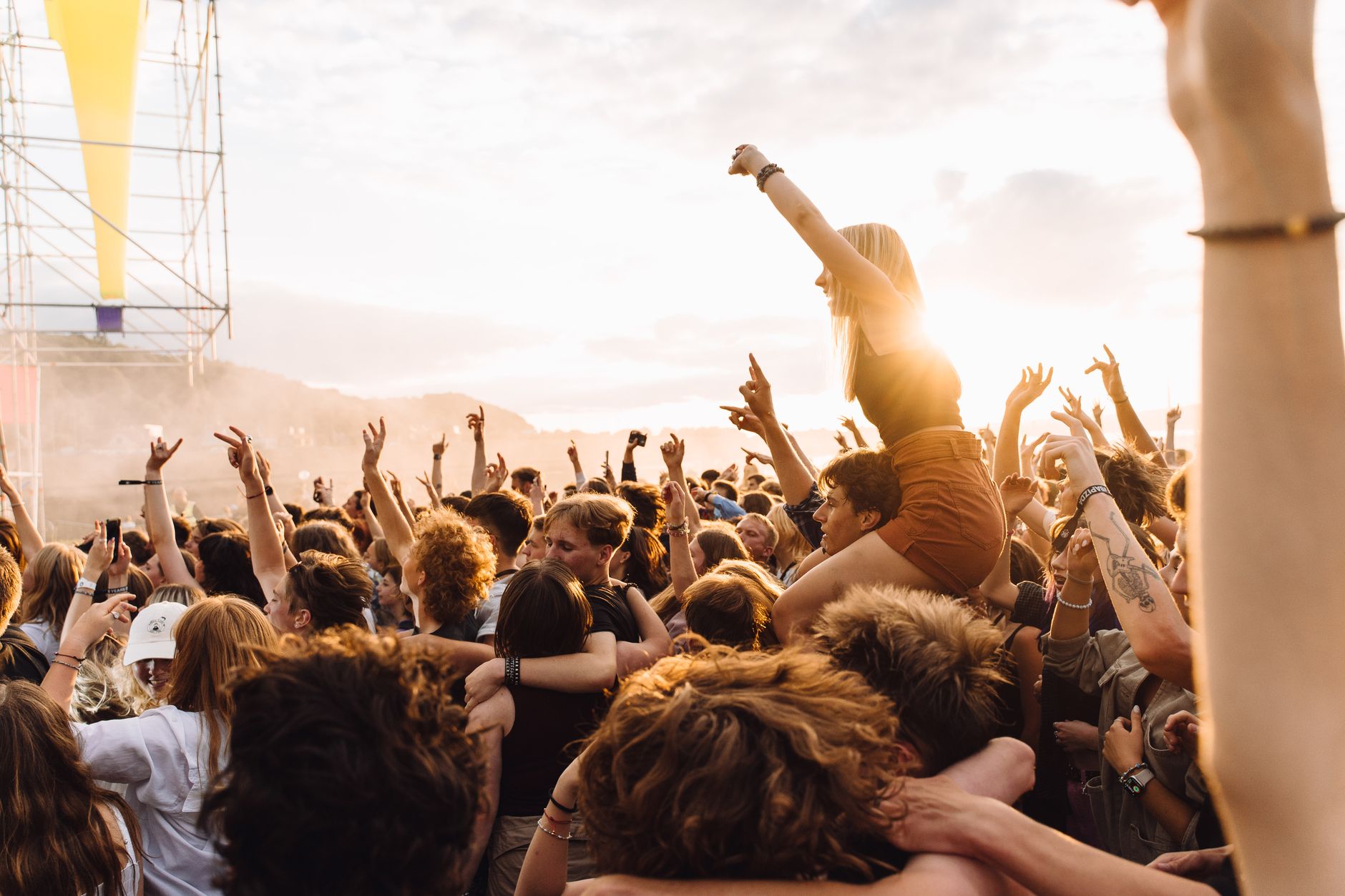
The ticket price is the starting point, not the total
Glastonbury general admission tickets now sit at £373 plus a £5 booking fee. That number gets quoted everywhere as if it represents the actual cost of attending. It does not. Add coach or train travel (return from London to Castle Cary runs well over £80 during festival dates), camping equipment if you do not already own it, a locker rental, the Worthy Farm car park fee if you drive, and food and drink across five days, and you are looking at a realistic spend closer to £700 to £900 per person for what is nominally a £373 event. That is before you buy a single piece of merchandise.
It is not just Glastonbury. Download, Reading, Leeds, Latitude, Wilderness, End of the Road, the pattern repeats itself. Booking fees of 10 to 15 per cent on top of face value have become standard. Some events now charge separate fees for printing your ticket, for digital delivery, and for the privilege of selecting your camping zone. These are not accidents. They are deliberate structural choices designed to make the headline price look lower than it actually is.
Dynamic pricing has arrived and it is making things worse
Ticketmaster’s dynamic pricing rollout in the UK has attracted significant press attention, mostly focused on huge stadium acts like Oasis. But the same model is seeping into festival ticketing, and it is less visible there. Early-bird tiers sell out fast, standard tiers follow, and by the time most fans get through a virtual queue the price has jumped by £30 to £60. The consumer advocacy group Which? has raised concerns about the transparency of these pricing structures, and the Competition and Markets Authority has started paying closer attention to the live events sector. But for now, the buyer bears all the risk.
The practical effect is a system where the people who can afford to act quickly, who have a flexible card ready, who are not at work when tickets drop, get the better price. That is not a meritocratic lottery. That is a system that structurally advantages people with financial slack.
On-site cost inflation is out of control
I went to a well-known outdoor festival in the south of England last summer and paid £8.50 for a pint of lager I could have bought at my local for £4.20. A basic burger was £14. A coffee at 8am was £5. None of this is new, festivals have always charged a premium, but the gap between on-site and off-site prices has widened considerably since 2022, driven partly by genuine supply chain costs and partly by the fact that many festival operators now take a significant cut of trader revenue, which gets passed directly to the consumer.
The ONS reported that food and non-alcoholic drink prices rose by over 25 per cent between 2021 and 2024. Festival food stalls absorbed some of that, but they also used it as cover to push margins further. A realistic daily food and drink budget for a festival in 2026 is £60 to £80 per person if you are not being particularly extravagant. Across a three-day event that is £180 to £240 on top of everything else.
Attendance figures are being used to mislead
When festival organisers announce record attendance, they are almost never discussing affordability. The numbers function as marketing. What they do not reveal is the demographic shift quietly happening inside those gates. Anecdotally, and from conversations I have had with regular festivalgoers, the crowd at mid-to-large festivals is getting older and more financially homogeneous. The students and early-20s who used to pack Reading and Leeds are being priced out, not necessarily by the headline ticket cost, but by the cumulative weight of everything around it.
This links to something worth reading if you have not already: the growing loneliness economy in the UK, where shared communal experiences are increasingly commodified. Festivals were once a genuinely democratic space. They are becoming a luxury product with the aesthetics of inclusivity still stapled on top.
The smaller festival squeeze is real
Smaller, independent festivals are caught in a brutal bind. They cannot negotiate the same deals with artists, insurers, or local authorities that the big players can. Their overheads have risen sharply. But their audiences are often more price-sensitive, and the competition for discretionary spending is fierce. Several beloved independent events have folded in the past two years, citing unworkable economics. Others have survived by cutting their line-up depth, shrinking their footprint, or quietly removing the low-cost camping options that used to make them accessible.
The result is a market where the premium end is consolidating and the affordable middle is hollowing out. If you can spend £1,200 for a couple across a weekend, there are excellent options. If you cannot, the choices are narrowing fast.
The burnout conversation nobody wants to have
There is a growing sense amongst regular festivalgoers that the magic is diminishing alongside the affordability. I have spoken to people who have attended the same events for a decade and feel like they are now paying more for a worse version of something they used to love. Overcrowded campsites, aggressive up-selling at every turn, app-based wristband systems that do not work, queues for everything. The financialisation of the experience has changed its texture.
This is part of a broader pattern around exhaustion with systems that feel rigged, where the official version of something and the lived reality have drifted too far apart. When the gap between the Instagram photo and the muddy, expensive, overcrowded actuality gets too wide, people start opting out. And many are.
What actually needs to change
The CMA’s ongoing scrutiny of ticket pricing is a start. Full price transparency at the point of first contact, meaning the total cost including all fees displayed before you enter a queue, should be a baseline requirement. The ASA has previously acted on misleading pricing in other sectors; there is an argument it should apply the same standards to live events.
Some festivals have experimented with payment plans, allowing fans to spread ticket costs across several months. Kendal Calling and a handful of others have done this well. It does not solve the on-site inflation problem, but it makes the headline cost manageable for people without a lump sum available.
The deeper issue is structural. When festivals are owned by private equity or large entertainment conglomerates, the pressure to extract maximum revenue from every interaction is relentless. The community-run event and the corporate entertainment product can look identical from the outside. They are not. And working out which is which before you hand over your money is harder than it should be. The UK’s festival boom is real. So is the affordability crisis running underneath it, and the two things are not unconnected.
Frequently Asked Questions
How much does it actually cost to attend a UK music festival in 2026?
For a major festival like Glastonbury, the realistic total cost per person including transport, food, drink, and essentials is typically £700 to £900, despite the headline ticket price of around £373. Mid-tier festivals are cheaper but still often cost £400 to £600 all-in for a three-day event.
Are UK music festival hidden costs legal?
Booking fees and service charges are legal in the UK, but there is growing pressure from the Competition and Markets Authority and consumer groups like Which? to enforce full price transparency at the point of first display. Currently, fees are often added only at checkout, which many argue is misleading.
Why have festival ticket prices increased so much?
A combination of factors is driving prices up: artist fees have risen sharply post-pandemic, insurance and site costs have increased, and booking platforms have expanded their fee structures. Dynamic pricing models, similar to those used for flights, are also becoming more common in the live events sector.
Leave a Reply