

How do you stay hill-fit when it’s dark before you’ve even finished work? Two short strength sessions a week, a few minutes of daily balance work and one proper walk at the weekend will hold most of your winter walking fitness until spring.
The clocks have gone back, the fells are wet, the moors are boggy and the coast path has a nice glaze of ice on the shady bits. Your Saturday outings shrink, your midweek walks vanish, and by February your legs are sulking on the first big climb. The fix is boring in the best way: small, repeatable sessions you can do in a living room.
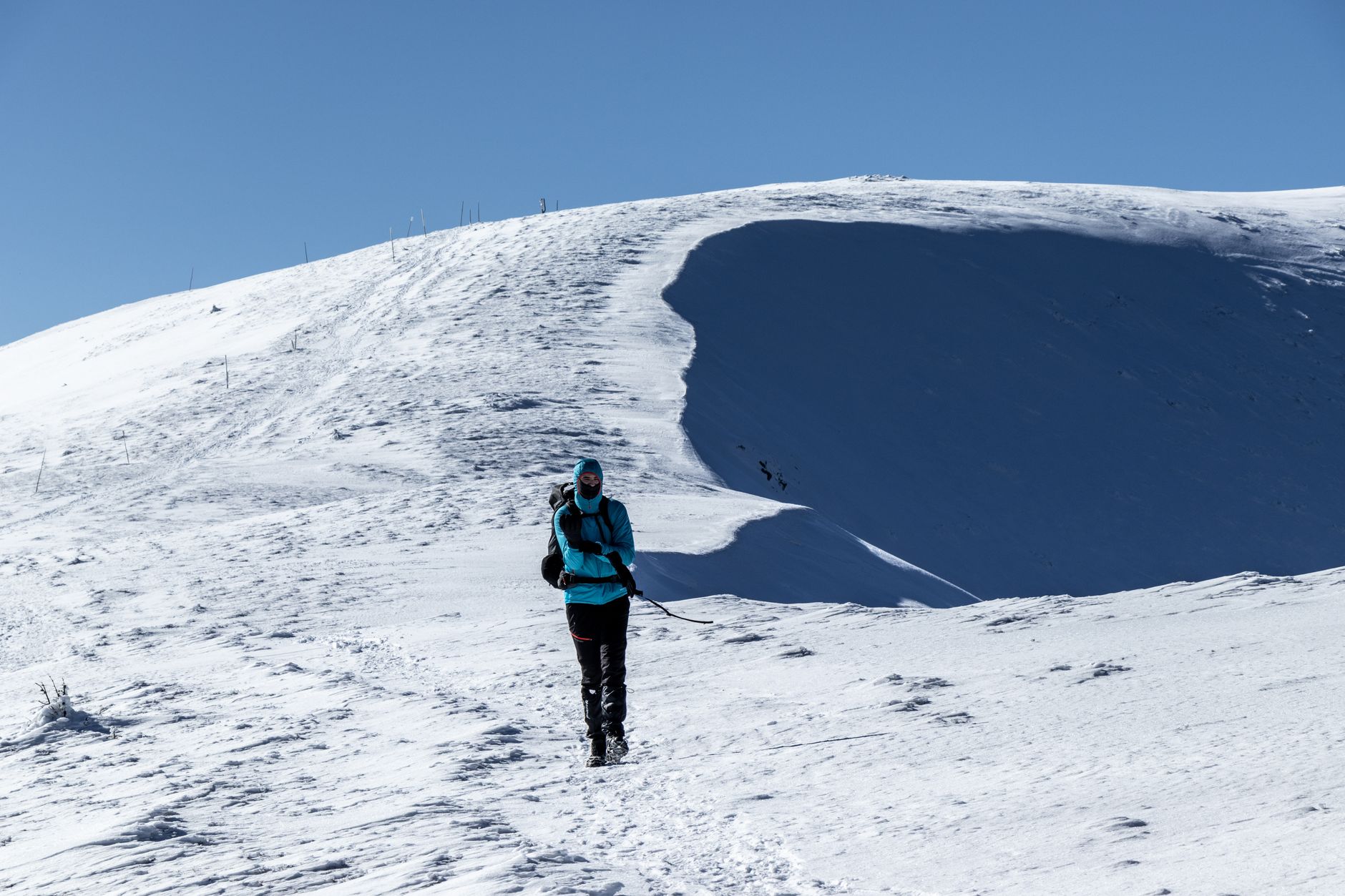
How much exercise do walkers need in winter?
Walkers should aim for the UK Chief Medical Officers’ baseline: at least 150 minutes of moderate activity a week, plus strength work on two days. The NHS exercise guidance sets this out in plain English. Hill walkers can treat that as the floor, not the target, but it is a good floor to build on when daylight is scarce.
A sensible winter week looks something like this:
| Day | What to do | Time |
|---|---|---|
| Tuesday | Lower-body strength session | 25 to 30 minutes |
| Wednesday | Brisk lunchtime or after-work walk on a lit route | 30 to 45 minutes |
| Thursday | Strength session plus balance drills | 25 to 30 minutes |
| Saturday or Sunday | One proper hill or coast outing, started early | As daylight allows |
What strength work should walkers do midweek?
Walkers need single-leg lower-body strength, because every step on a hill is effectively a one-legged movement. You need no kit beyond a sturdy step and, if you fancy it, a rucksack with some books in it. Try this circuit, resting a minute between rounds:
- Split squats: 3 sets of 8 to 10 on each leg.
- Step-ups onto a sturdy step: 3 sets of 10 on each leg.
- Slow step-downs, lowering over about three seconds: 3 sets of 8 on each leg.
- Single-leg calf raises off a stair edge: 3 sets of 12 to 15.
- Single-leg Romanian deadlifts: 2 or 3 sets of 8 on each leg.
- Glute bridges: 3 sets of 12.
- Plank: 3 holds of 30 to 45 seconds.
The slow step-downs are the sneaky MVP. Descents are what wreck knees and quads on a long day out, and controlled lowering trains exactly that. Start light, add a loaded rucksack once the sets feel easy, and stop if anything hurts in a sharp, joint-y way.
How do you train balance for icy and wet ground?
You train balance by standing on one leg, daily, for short spells, then making it slightly harder every week. Do it while the kettle boils or while you brush your teeth: 30 seconds on each leg, hands off the worktop if you can.
Once that’s easy, close your eyes (near a wall, not in the middle of the kitchen), stand on a folded towel or cushion, or turn your head side to side. Heel-to-toe walking along a hallway is another cheap drill. None of this feels like exercise, which is the point. It builds the small stabilising muscles in your ankles and hips that keep you upright on wet slate and frosted boardwalks.
Can you keep your stamina up indoors?
You can keep most of your stamina indoors if you train at a pace where you can still speak in short sentences, and do it for long enough. Winter walking fitness is mostly an aerobic base, and that doesn’t care whether it’s built on a hillside or a treadmill.
- Treadmill or stairs: a treadmill set to a steady incline, or repeated flights of stairs, mimics climbing better than flat walking does. Add a weighted rucksack once you’re comfortable.
- Lit local routes: a park lap or a well-lit towpath after work still counts. Wear reflective gear and carry a head torch if the path isn’t lit.
- Lunch breaks: a brisk 30 minutes in daylight beats a heroic evening plan you’ll skip.
Keep one session slightly longer each fortnight, so your body doesn’t forget what a four or five hour day feels like.
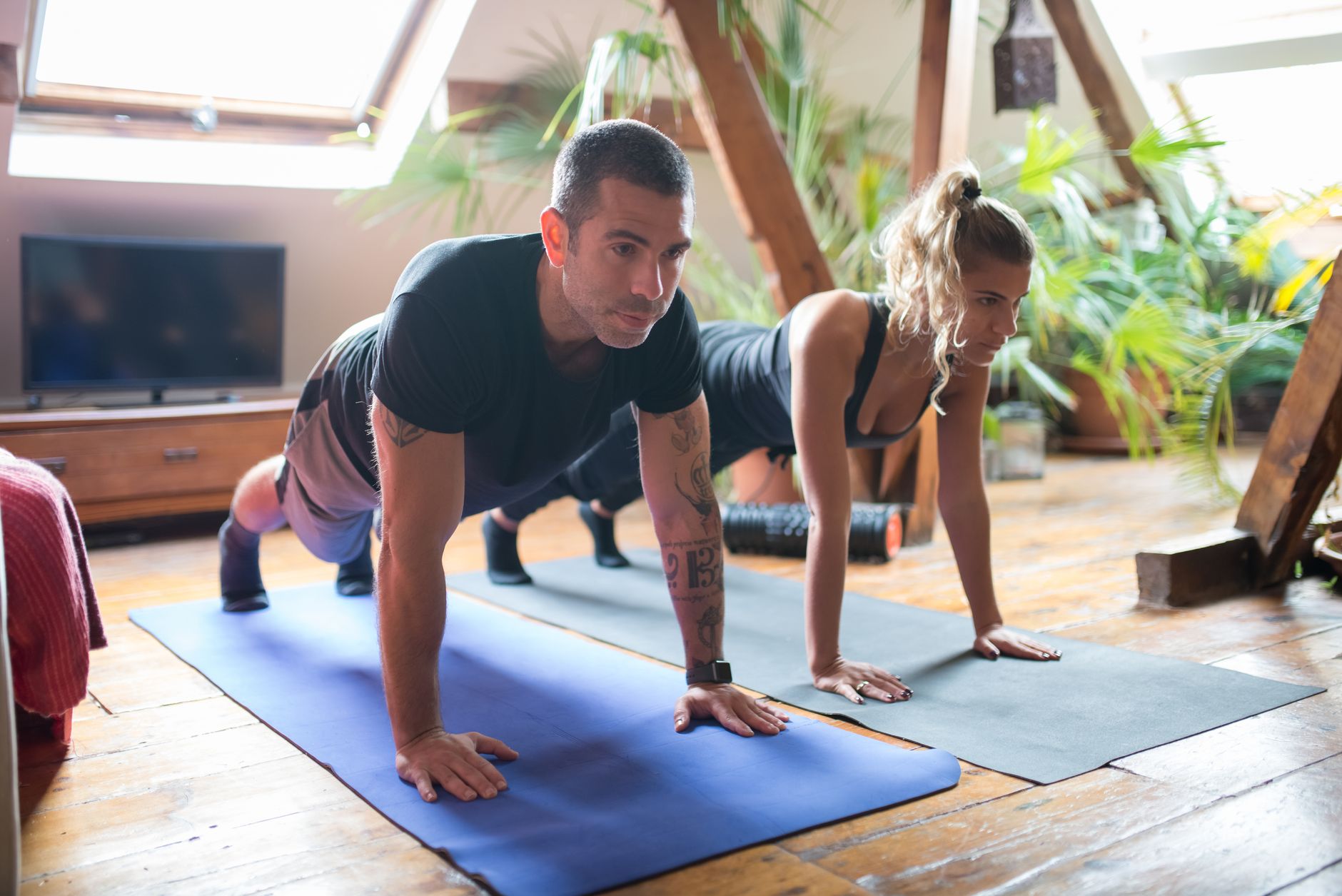
Is cross-training worth it for walkers?
Cross-training is worth it because it builds fitness without more pounding on the same joints, and it makes winter less monotonous. Cycling, swimming and rowing machines all build the aerobic engine and give your feet a rest from mud and tarmac.
If gym sessions bore you rigid, a racket sport is a good way to train the quick feet and sideways movement that walking ignores, and this piece on padel after a hill day: best fitness cross-training for walkers covers how it fits around a hilly weekend. Whatever you choose, pick something you’ll turn up for in the dark, because consistency beats cleverness every time.
How should you adapt your weekend walks in winter?
Shorten the route, not the ambition: choose a loop you can finish comfortably in daylight, and start early. Sunset in much of Britain falls around 4pm in December, further north even earlier, so a 9am start gives you a proper day rather than a race against dusk.
Pack a head torch with spare batteries even for short walks, plus warm layers, a hot drink and a charged phone. Check the Met Office forecast before you go, and the mountain forecast if you’re heading onto higher ground. Wet rock and frozen ground slow you down, so plan on slower pace and more rest stops than your summer average.
My advice is simple. Book your two strength sessions into the diary now, like appointments, and treat the weekend walk as the reward. Do that every week until March and the first long climb of spring will feel like a warm-up rather than a reckoning.
Frequently Asked Questions
Can you lose hill fitness over winter?
Yes, but not as fast as most people fear. Aerobic fitness and leg strength fade over weeks of inactivity, not days. Two short strength sessions and a couple of brisk walks each week are usually enough to hold your base until longer days return.
What is the best home exercise for hill walking?
Step-ups and split squats are hard to beat, because they train one leg at a time just as walking does. Add slow step-downs to prepare your knees and quads for descents. All three need only a sturdy step and a bit of floor space.
How long should a winter walking workout be?
Twenty-five to thirty minutes is plenty for a strength session, and 30 to 45 minutes works for a midweek brisk walk. Keep one longer outing at the weekend. Short, regular sessions beat one exhausting effort that you then recover from for days.
Is it safe to walk in the dark after work?
It can be, if you stick to lit, familiar routes and wear reflective gear. Carry a head torch and let someone know your route. Avoid unlit footpaths, fields and riverbanks alone, where ice and uneven ground are harder to spot.
Do trekking poles help on icy ground?
Poles add extra points of contact, which helps with balance on slippery descents and muddy slopes. They are no substitute for proper footwear, though. If paths are properly icy, consider microspikes or a different route altogether.



Leave a Reply