

The NHS App is genuinely useful now, but the government’s digital-first pitch only works if the phone line and the front desk survive alongside it. That is the honest summary of the NHS App upgrades rolled out over 2025 and 2026: real improvements for people who are comfortable online, and a lot of small print for everyone else.
Here is what has changed, what hasn’t, and who gets left behind.

What can the NHS App actually do in 2026?
The NHS App in England lets you order repeat prescriptions, request GP appointments, view parts of your GP record, see hospital appointments, prove your NHS number and manage your organ donation choice. None of that is new on its own. What has changed is how much of it sits in one place and how many practices switch it on properly.
The government’s 10 Year Health Plan, published in summer 2025, cast the app as a front door to the whole NHS, a "doctor in your pocket". Plans in that document include more control over hospital appointments and a bigger role for digital tools in routine care. Some of that is live, some is still promised. Treat the roadmap as a roadmap, not a done deal.
Is it easier to book a GP appointment on the NHS App now?
Sometimes, yes. From October 2025, GP practices in England were required to keep online consultation requests open throughout core hours, rather than shutting the form once the morning quota filled. That is a real change, aimed at ending the 8am phone scramble.
The catch is that an online request is not the same as an appointment. Practices triage requests, and what you get depends on local capacity. A quicker way to ask does not create more GPs. If your surgery is already stretched, the app mainly moves the queue from the phone to the screen.
How do repeat prescriptions work in the app?
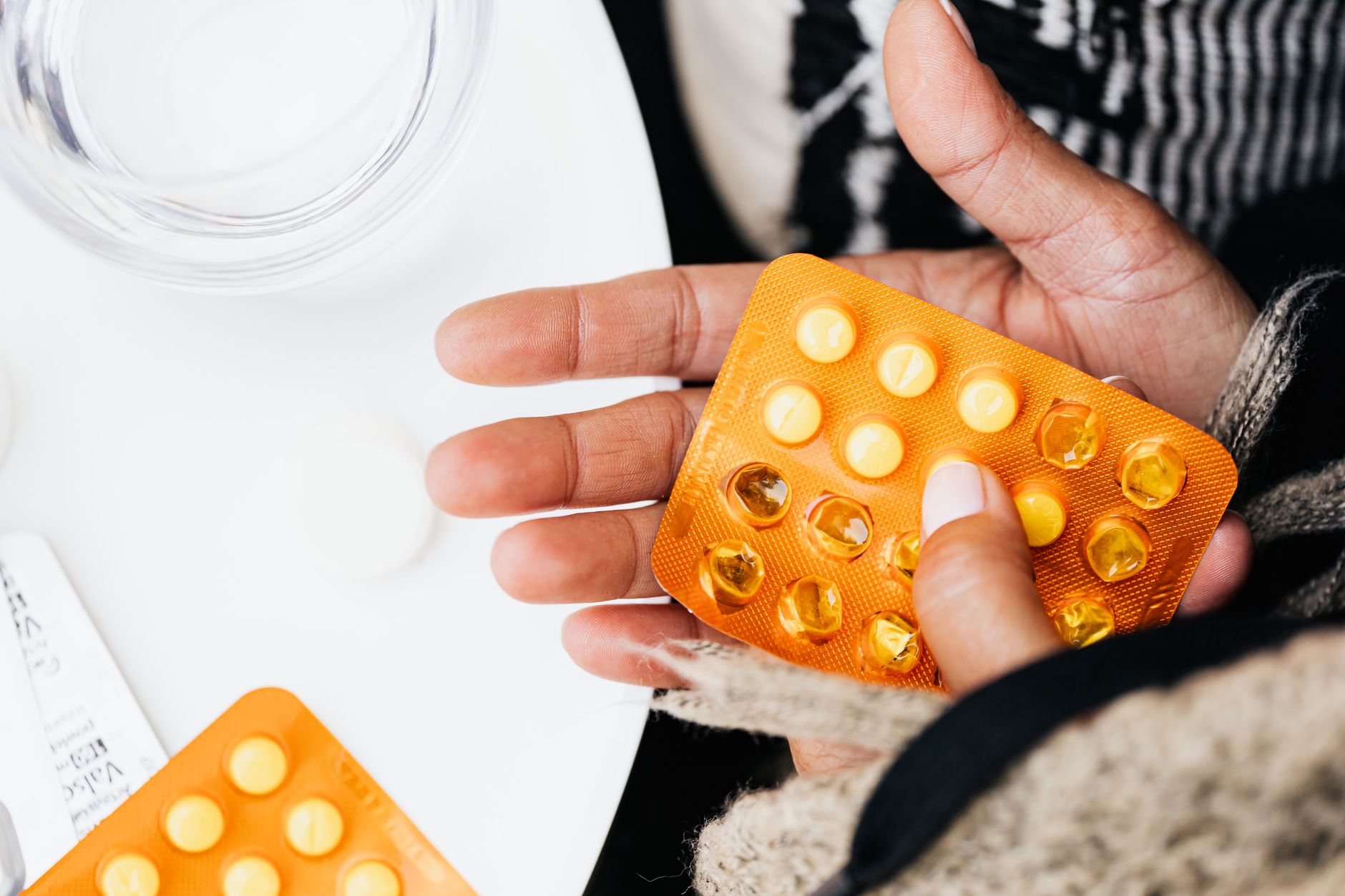
Repeat prescriptions are the app’s strongest feature. You pick your usual medicines, choose a pharmacy, and the request goes to your practice without a phone call or a paper slip. It is quick, it leaves a record, and it saves a trip for people who are well-organised and on stable medication.
Not every practice enables it for every patient, and anything outside your regular list still needs a conversation with the surgery. If you are on several medicines, it is worth checking the app’s list matches what you actually take.
Can you see your GP record and test results?
Many patients can now see more of their GP record through the app, including medicines, allergies and some test results, depending on the practice. Access to newer entries has been widening, which is good for transparency and for anyone juggling appointments across different services.
It also means you may see a result before anyone has explained it. A blood result with an unfamiliar number and no context can cause more worry than it solves. If something looks off, contact the surgery rather than searching it online at midnight.
Is a digital-first NHS realistic for people who aren’t tech-savvy?
A digital-first NHS is realistic for most people under about 60 with a smartphone, and much shakier for everyone else. The app needs a smartphone, a working email or mobile number, and an NHS login that proves your identity. That last step is where many people give up, especially if they lack a passport, photo driving licence or a patient who can do video checks.
Digital exclusion also isn’t only about age. It covers people on pay-as-you-go data, shared phones, poor rural signal, sight problems, and those for whom English is a second language. NHS England says the phone and in-person routes remain, and they must. The risk is quiet erosion: if the app handles the easy cases, the phone lines can feel like the leftover service for the hardest ones.
There is also a fair point in the government’s favour. If younger, healthier patients move online, phone lines should free up for people who need them. That only happens if practices keep staffing the phones, rather than treating the app as a reason to cut them.
What about people who still ring the surgery?
Plenty of people still do, often during the morning commute or from a parked car. If you take those calls hands-free, call quality matters more than you would think, because a muffled line is a miserable way to explain symptoms to a receptionist. For BMW drivers in that position, the Source Sounds audio upgrade options are one way to sort out speakers and clarity. Whatever car you drive, the law bans handheld calls at the wheel, so park up for anything involving your health.
What should you do if you want to use the app?
Set it up before you need it. Setting up the NHS login can take longer than ordering the prescription, and you do not want to be doing it when you are unwell. The official NHS App page explains how to register and what each feature does.
- Download the NHS App from your phone’s app store and create your NHS login.
- Prove your identity with photo ID, using the in-app check.
- Link your GP practice and see which features it has switched on.
- Try one low-stakes task first, such as a repeat prescription.
- Keep your surgery’s phone number saved as a backup.
If you are helping a parent or grandparent, sit with them for the setup. Do not do it for them on their phone and leave. The first login is the hardest part, and a second pair of hands makes the difference.
The app is England-only. Scotland, Wales and Northern Ireland run their own systems, so the features above may not apply if you live there.
My view: judge the upgrades by one measure, whether someone who cannot or will not use a smartphone can still get seen quickly. If your practice can answer yes, the app is a bonus. If it can’t, no amount of new features will matter.




Leave a Reply