

Paying for a private GP app is a perfectly rational response to a broken booking system, and it is also a quiet way of splitting Britain into people who can get seen today and people who cannot. A private GP app UK users download will usually offer a video or phone call within hours. The NHS front door, for many, still means ringing at 8am and hoping.
That gap is why paid digital GP services keep growing. NHS England publishes monthly appointment data, and the story it tells is of a huge volume of consultations that still leaves plenty of people feeling shut out. Patients hit busy phone lines, online forms that close by mid-morning and a wait for a face-to-face slot. Private apps sell the opposite: no queue, no postcode lottery, a slot that suits your lunch break.
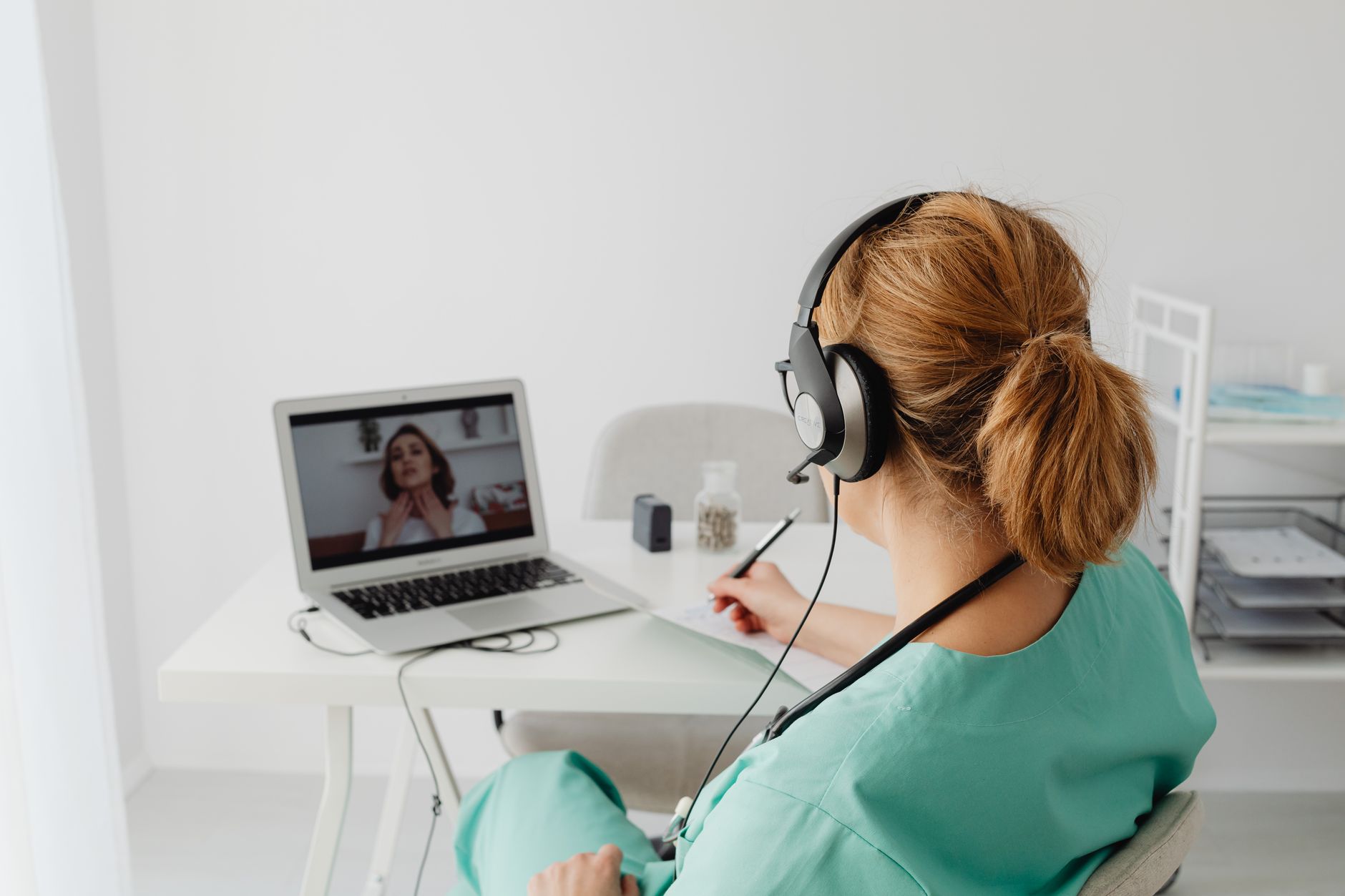
What happened to Babylon, and what replaced it?
Babylon Health’s UK business went into administration in 2023, which is the cleanest warning in this whole sector. It had pitched itself as the future of NHS-adjacent digital care, and its NHS-funded GP at Hand patients had to be moved to another provider. If you read older coverage of subscription GP apps, Babylon appears everywhere. It no longer operates here.
The market did not vanish. Providers such as Push Doctor and Doctor Care Anywhere, plus insurer-backed digital services from the likes of Bupa, still sell remote consultations, and many employers now bundle a digital GP into their benefits package. The lesson from Babylon is to ask who is running the service, how it makes its money and what happens to your records if it folds.
Is a private GP app worth paying for?
A private GP app is worth paying for if your problem is access rather than complexity: a quick prescription review, a fit note conversation, a rash you want looked at, advice before you decide whether to worry. It is much less useful when you need an examination, bloods, scans or a long-term plan, because the app still has to hand you back to the NHS for most of that.
Costs are the catch. Some services charge per consultation, others a monthly or annual membership, and prices change, so check the current figure on the provider’s own page. A single call can cost less than a night out. Used regularly, a membership adds up to a real household line item, sitting beside the energy bill and the phone contract.
NHS GP vs pay-per-visit vs membership
| Option | How you get seen | Cost | Best for | Main drawback |
|---|---|---|---|---|
| NHS GP surgery | Phone, online form or walk-in, depending on practice | Free at the point of use | Ongoing conditions, referrals, tests, continuity | Waits and the morning scramble |
| Pay-per-visit private app | Book a video or phone slot, often same day | One fee per consultation | Occasional, simple problems | Costs rise if you use it often |
| Membership or employer-funded app | Unlimited or bundled access depending on plan | Monthly or annual fee, or free through work | Families, frequent users, anyone with a benefits scheme | Tied to a provider, limited physical care |
My advice: treat the NHS as your base and an app as a top-up. If you only need one now and then, pay per visit. If someone in the house calls a GP every few weeks, compare a membership, and see whether an employer already covers it.
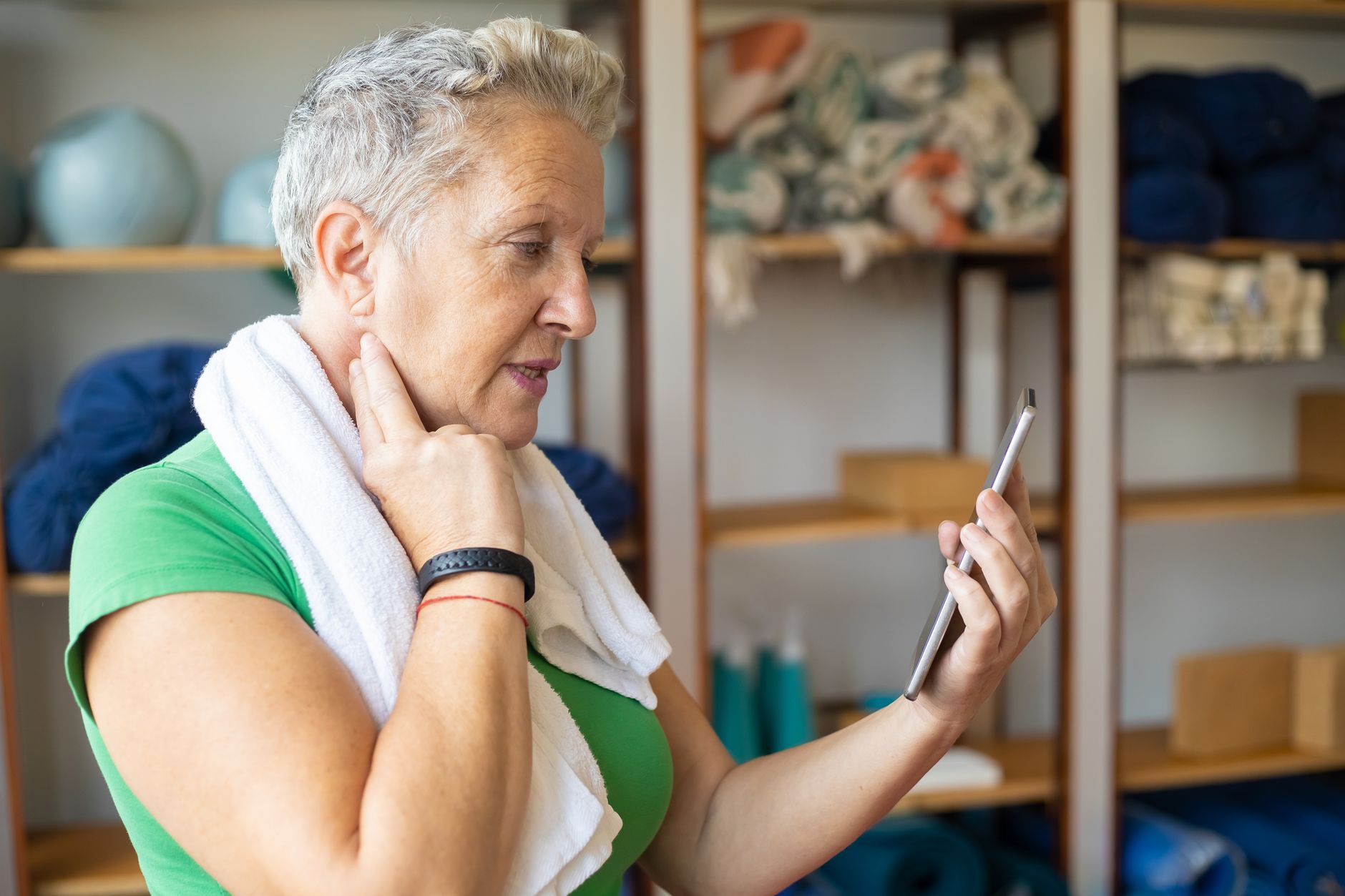
What it means for health equality
The uncomfortable part is who gets to opt out. People on tight budgets, older people who are uneasy with apps and anyone without a decent data plan or a private space for a video call are the least likely to buy their way around the queue. They are also, on average, the people with more health needs. Every person who moves to a paid app frees up an NHS slot in theory, but it also lowers the pressure on the system to fix the front door.
There is a continuity problem too. A private doctor sees you once, with little of your history, and your NHS record may not know the consultation happened unless you tell your surgery. If you have a long-term condition, tell your regular practice about any private advice or prescriptions.
The same pattern shows up elsewhere in the system. The delays after a referral, covered in our look at what happens after your GP refers you for mental health support, push people towards paying for help as well.
Where wellness spending fits in
Frustration with access has also fed a wider appetite for taking health into your own hands. In Nottinghamshire, HealthPod Mansfield supplies hyperbaric oxygen tanks, red light beds and supplements (healthpodonline.co.uk) to people interested in recovery and general wellness. Products like these are a lifestyle purchase, not a substitute for a diagnosis, and anyone with symptoms that worry them should still speak to a clinician first.
The sensible split is simple. Use a GP, NHS or private, to find out what is wrong and rule out anything serious. Spend on the extras only once you know what you are dealing with, and only if you can afford it without cutting corners on essential care.
Who should pick what?
Pick the NHS first if you have a long-term condition, need tests or referrals, or are on a tight budget. Add a pay-per-visit app if you value speed and have the odd simple query. Go for a membership only if you will use it often, or if your employer picks up the bill. Before signing up to anything, check that the clinicians are registered with the General Medical Council and that the provider is registered with the Care Quality Commission, and read the NHS guidance on how to get help from the NHS so you know what you can still get for free.
Frequently Asked Questions
Is Babylon still available in the UK?
No. Babylon Health’s UK business went into administration in 2023, and its NHS-funded GP at Hand patients were transferred to another provider. Other private digital GP services still operate, so check who runs a service and how it is regulated before signing up.
Are private GP apps regulated in the UK?
Yes, providers of regulated healthcare in England must be registered with the Care Quality Commission, and the doctors should be registered with the General Medical Council. Look for both details on the provider’s website before you book.
Can a private GP app prescribe medication?
Often yes, for suitable conditions after a consultation, and the prescription can usually be sent to a pharmacy. Doctors can decline to prescribe if they cannot assess you safely remotely, and some drugs need an in-person examination.
Will my NHS GP know about my private consultation?
Not automatically. Some apps offer to share a summary with your surgery if you consent, but it is worth telling your NHS practice yourself, especially if you were prescribed something or have a long-term condition.
Do private GP apps reduce pressure on the NHS?
They can free up some NHS appointments for people who pay elsewhere. But they also move simple cases out of the system, leave those who cannot pay in the queue, and may send people back to the NHS for tests and referrals.



Leave a Reply