The average UK wedding now costs somewhere in the region of £20,000, and that figure has been creeping upward for years. So it makes sense that a growing number of couples are looking at that number, then at each other, and quietly deciding: no, actually, we’re not doing that. The micro-wedding, an intimate ceremony with fewer than 20 guests, is no longer a pandemic-era compromise. It’s become a genuine first choice, and I’d argue it’s one of the most honest reactions to how bloated the wedding industry has become.
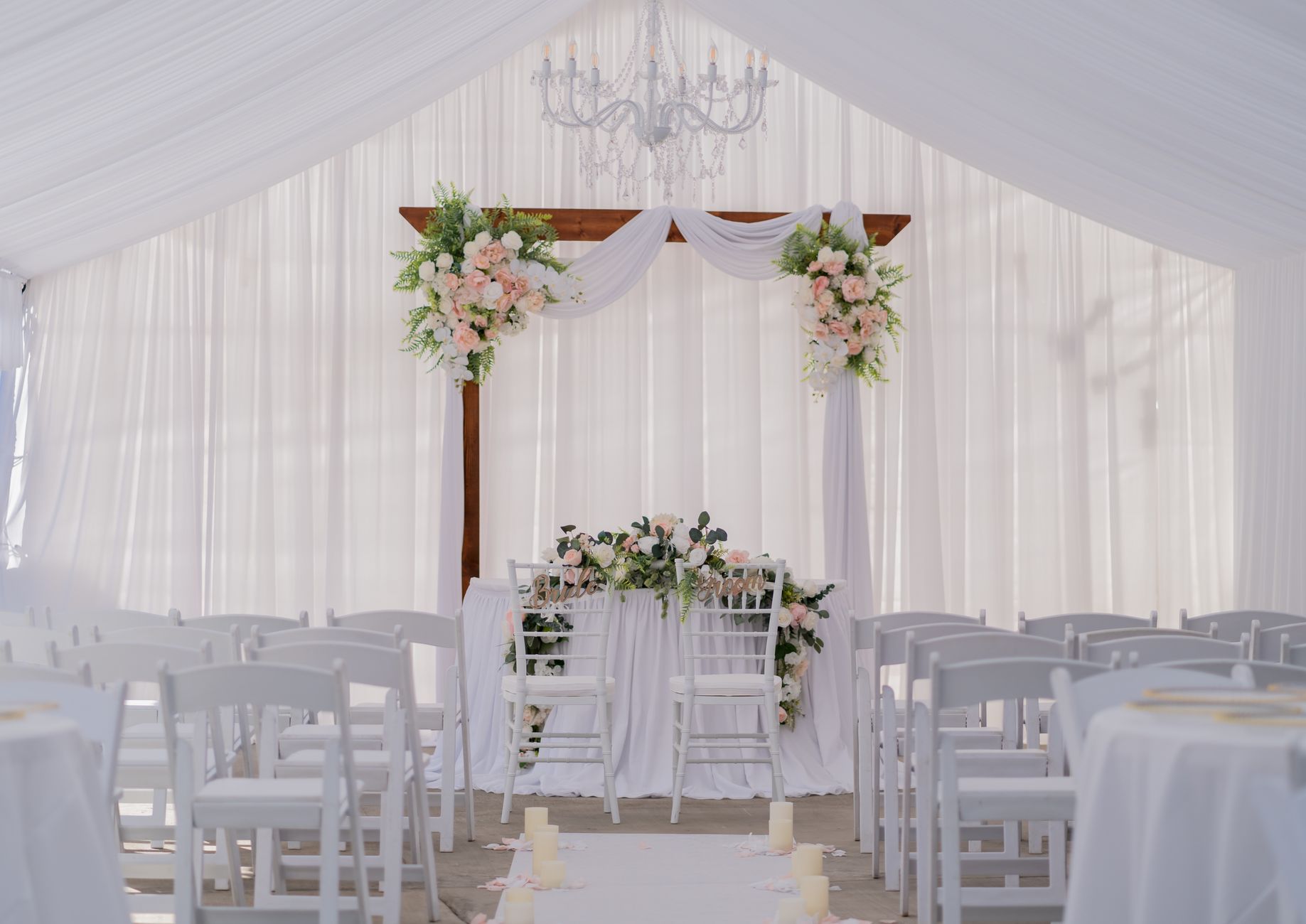
What’s shifted isn’t just budgets. It’s the whole attitude. People in their late twenties and thirties who’ve been to eleven weddings in four years, sat through three-hour gaps between ceremony and dinner, eaten the same chicken-or-salmon choice plate, and watched couples look exhausted on what was supposed to be the best day of their lives, they’re opting out of the format entirely. The micro-wedding isn’t smaller because people can’t afford big. For many couples, it’s smaller because they actually want it that way.
What counts as a micro-wedding in the UK?
There’s no official definition, but most people in the wedding space treat anything under 20 guests as a micro-wedding, separate from an elopement (which typically means just the couple, possibly with two legal witnesses). The legal minimum in England and Wales for a civil ceremony is two witnesses plus a registrar. Scotland’s rules differ slightly, and Northern Ireland has its own framework, but across the UK the baseline is broadly the same: you don’t need a crowd.
Micro-weddings tend to keep immediate family and a handful of close friends. The guest list cuts out colleagues, cousins you haven’t spoken to in years, and the obligatory plus-ones. That cull alone changes the entire logistics chain, from catering to transport to table settings to the sheer emotional weight of trying to give everyone a good time.
The venues actually built for this
One of the reasons micro-weddings struggled before 2020 was that most licensed venues in the UK were designed around 80 to 150 guests. You’d pay for a room that dwarfed your party, or get squeezed into a back function room that felt like an afterthought. That’s changed a lot. Smaller venues have spotted the gap and properly leaned in.
In London, places like the Peasant in Clerkenwell and various Georgian townhouses across Islington and Hackney now offer dedicated intimate ceremony packages. The Lake District has seen a boom in remote farmhouses and converted barns that cap at 15 or 20 by design rather than necessity. Scotland’s Highlands are particularly well set up, with croft conversions and private estate spaces that are genuinely better suited to small numbers. Cornwall and the Scottish Borders have both seen new licensed venues open specifically targeting the micro-wedding market since 2023.
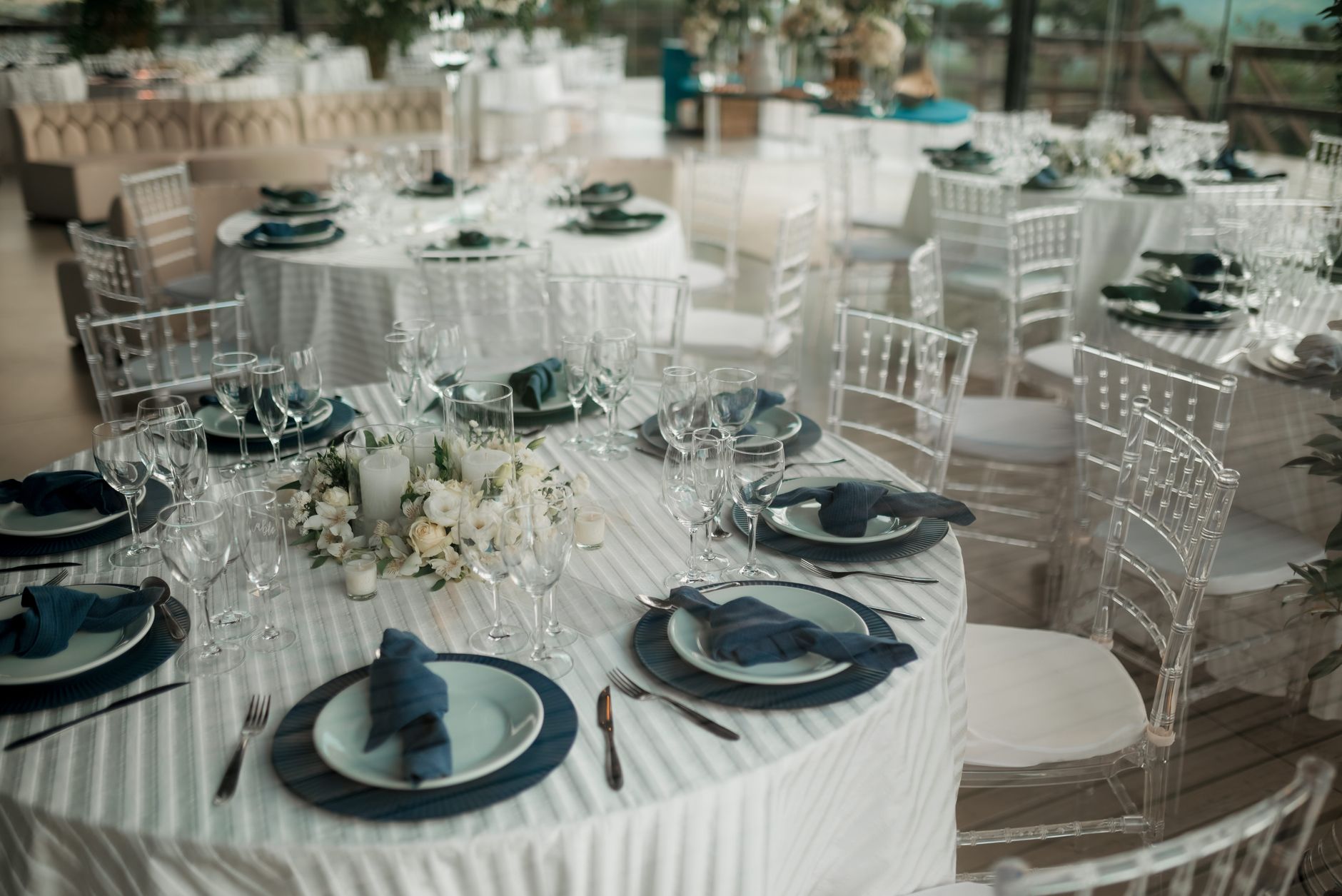
Restaurants have also come into their own here. Getting married in a room above your favourite restaurant, with a tasting menu replacing a buffet line, is something that a guest list of 12 makes possible in a way that 80 simply doesn’t. The Pig hotel group, which runs properties across Hampshire, Somerset, and Kent among others, has been quietly popular with couples who want something that feels more like a private dinner party than a wedding reception.
Does a micro-wedding actually save you money?
This is where it gets genuinely interesting, and honestly a bit complicated. On paper, fewer guests means lower catering costs, fewer favours, fewer chairs, fewer flowers. And yes, the headline number is usually lower. A micro-wedding in the UK can come in at anywhere from £5,000 to £12,000 depending on choices made. That’s a real saving versus the national average.
But the saving isn’t as clean as people expect. What tends to happen is that the per-head spend goes up significantly. When you have 15 guests instead of 80, couples often feel more comfortable spending £150 per head on food rather than £60. The flowers go from budget centrepieces to properly considered arrangements. The photographer who was going to cover a full day gets booked for a longer stretch because the day is more relaxed. The dress doesn’t change price. The rings don’t change price. The officiant fees, legal registration costs, and honeymoon budget stay roughly the same.
What a micro-wedding reliably cuts is the structural overhead: the wedding planner coordinating 120 people, the venue hire minimum spend, the wedding favours nobody wanted, the coach hire for guests, the extra evening buffet. Those costs are real and they add up. But if you’re expecting to walk away spending a fifth of what a traditional wedding costs, you’ll likely be surprised by how the budget still finds places to go.
If you’re researching and planning around destination options too, our piece on why Britons are choosing to get married abroad and what it actually costs covers a lot of the same ground from a different angle. It’s worth a read if you’re weighing up whether the venue matters more than the guest count.
The social pressure element nobody talks about enough
Choosing a micro-wedding is still, in 2026, a decision that requires some social courage. Telling parents that their siblings won’t be invited, explaining to a close friend that they didn’t make the cut, managing the group chat reactions when people learn 18 people were invited total, none of that is easy. Some couples sidestep it with a separate party later, a more relaxed gathering weeks after the actual ceremony that anyone can come to. That works well for some and feels like a compromise to others.
The wedding industry has also got better at guilt-tripping micro-wedding couples. Venues sometimes charge a “minimum spend” that effectively prices a small group the same as a larger one. Photographers market their “full-day coverage” packages hard even when a four-hour ceremony doesn’t need it. I’ve spoken to couples who felt pressured by suppliers to upscale once they saw how small the guest list was. Going into it knowing your numbers clearly and being comfortable holding firm matters.
Planning and sourcing for a micro-wedding often happens outside traditional wedding fairs too. A lot of couples are using platforms and communities online to find suppliers who genuinely work well at smaller scale. If you’re putting together content or resources around the planning process, tools like LinkPress are used by publishers trying to get that kind of niche information in front of the right audience.
What the data is actually showing
According to data from the ONS Marriage and Civil Partnerships statistics, the number of marriages in England and Wales has been declining overall for over a decade, but the ceremonies that do happen are increasingly skewing smaller and more personal. Anecdotally, UK wedding planners and venues that have spoken to trade press this year are reporting strong demand for intimate packages, with several noting waiting lists for their smaller ceremony rooms that outstrip their main ballroom bookings.
The shift also connects to a broader cultural recalibration around spending and meaning, something I’ve been seeing across different parts of British life. The same generation making micro-wedding choices are the ones quietly leaving London for smaller cities to find more space and a slower pace. There’s a thread running through all of it: less performance, more reality.
Is this trend going to stick?
My honest read is yes. The cost pressures alone will keep micro-weddings relevant, but they’d survive even in a prosperous market because the appeal isn’t purely financial. Couples who’ve been to enough large weddings know exactly what they’re trading. A room full of 120 people, half of whom you’re vaguely obliged to, is a different experience to a long lunch with the 15 people who matter most to you, on a day that’s supposed to be about exactly that.
The wedding industry will adapt, it always does. More venues will build smaller licensed spaces. More photographers will offer half-day packages. More caterers will develop tasting menus designed for ten. And honestly, that’s probably better for everyone involved, including the industry itself. A day that the couple actually remembers with joy, and that doesn’t financially damage them for years afterwards, is a better advert for the whole thing than an Instagram-perfect event that left them stressed and skint.
Frequently Asked Questions
What is a micro-wedding in the UK?
A micro-wedding typically means a ceremony with fewer than 20 guests, distinct from a full elopement which usually involves just the couple and two witnesses. In England and Wales, the legal minimum for a civil ceremony is two witnesses plus a registrar, so there’s plenty of flexibility in how small you go.
How much does a micro-wedding cost in the UK?
Micro-weddings in the UK generally cost between £5,000 and £12,000, compared to the national average of around £20,000 for a traditional wedding. The saving is real but smaller than many couples expect, because per-head spending on catering, photography, and styling often increases when the guest list shrinks.
What venues in the UK are best suited to micro-weddings?
Smaller licensed venues like boutique hotels, restaurants with private dining rooms, and rural conversions (particularly in Cornwall, the Lake District, and the Scottish Highlands) are well suited to intimate ceremonies. Many venues now specifically market 15 to 20 guest packages, so it’s worth searching for ‘intimate wedding venue’ alongside your county rather than generic wedding venue directories.
Can you have a legally valid micro-wedding in the UK?
Yes, absolutely. A ceremony is legally valid in England and Wales as long as it takes place in a licensed venue (or a registered building for religious ceremonies) with two witnesses present and the correct paperwork filed with the local register office. The number of additional guests has no bearing on the legal validity.