There are roughly 35 million smart meters installed in homes and businesses across Great Britain, according to DESNZ smart meter statistics. And yet most people still have absolutely no idea what they’re actually entitled to, what their supplier can and cannot do with their data, or why the cheapest tariffs are increasingly locked behind having one. Ofgem has quietly updated its obligations on suppliers over the past 18 months, and the gap between what the regulator now requires and what your energy company is actively volunteering to tell you is… significant.
I’ve spent a fair bit of time reading through Ofgem’s updated licence conditions and speaking to people who work in the energy sector. What follows is the plain-English version. No jargon, no spin.
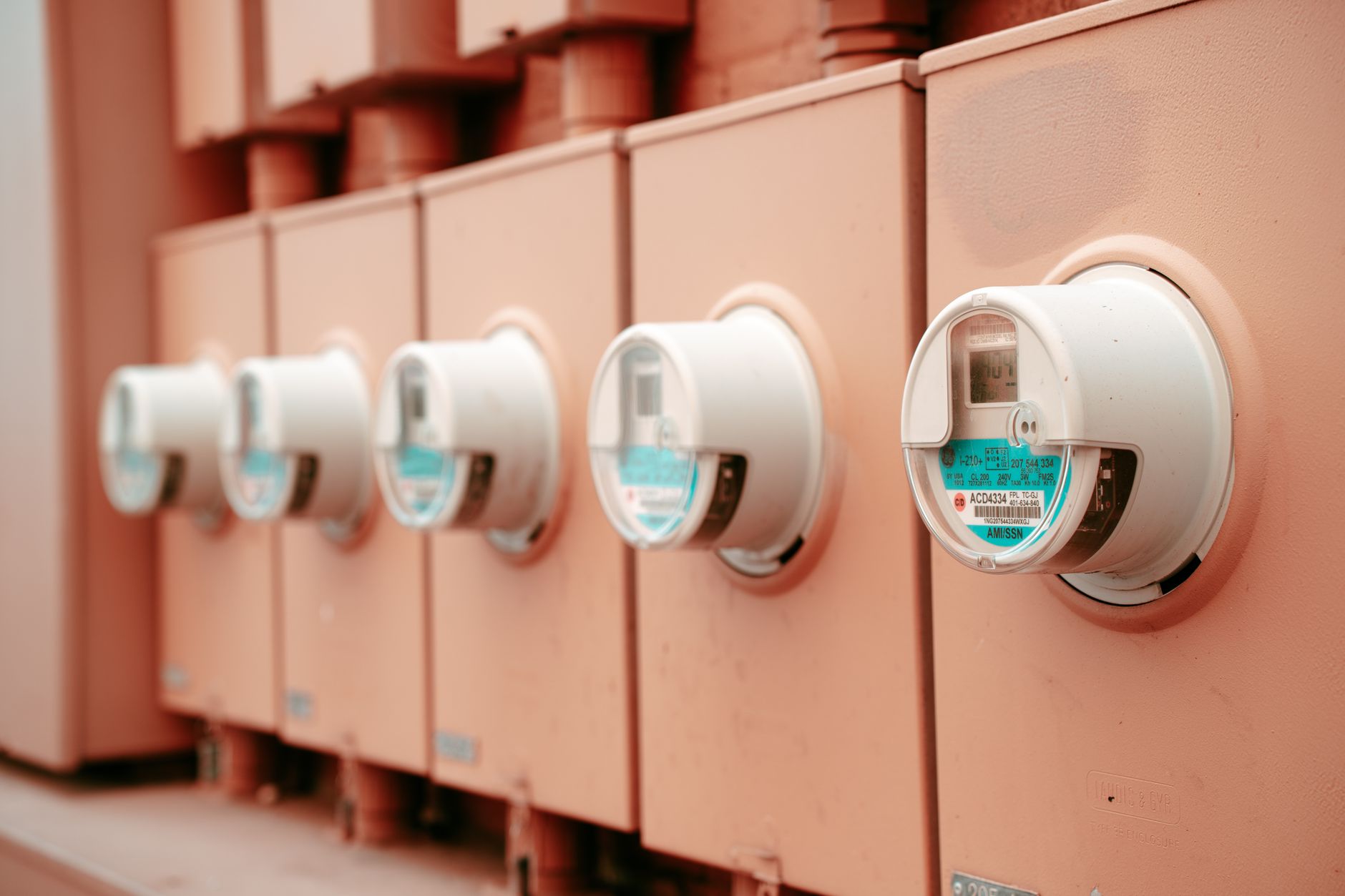
What Ofgem actually changed and why it matters now
The big shift is around supplier obligations. Previously, energy companies had a “best endeavours” duty to offer customers a smart meter. That language has tightened. Suppliers are now required to take “all reasonable steps” to roll out smart meters to all domestic customers, with Ofgem able to take enforcement action where companies fall short. In practice, this means suppliers have to proactively contact customers, offer installation, and keep records proving they’ve done so.
More importantly for you as a consumer: suppliers must now ensure that installed smart meters are operating in “smart mode”, meaning they’re actually communicating data back over the national network. First-generation SMETS1 meters (the older ones that often went “dumb” when you switched supplier) have largely been migrated onto the national DCC infrastructure, but if yours is still not sending data properly, your supplier has an obligation to fix it. You don’t have to just accept a glorified digital display.
The tariff picture is getting complicated fast
Here’s where the smart meter Ofgem rules UK conversation gets a bit spicy. An increasing number of time-of-use tariffs, including Octopus Energy’s Agile tariff and British Gas’s PeakSave offers, are exclusively available to smart meter customers. These tariffs can be genuinely cheaper if you shift usage to off-peak hours, but they’re inaccessible to the 10-plus million households that still don’t have a smart meter installed.
Ofgem has been clear that suppliers cannot make a smart meter a condition of accessing the standard variable tariff or the price cap-protected unit rates. But time-of-use products sit in a different category. Suppliers are allowed to restrict those to smart meter customers, because the whole point is half-hourly data settlement. What they cannot do is pressure you into a smart meter by withholding your basic supply or threatening to move you off a standard tariff. The line matters, and some suppliers have been sailing close to it.
Your data rights: what the supplier can and can’t access
This is the bit nobody talks about at the point of installation. Smart meters can record your energy consumption in half-hourly intervals. That is a lot of data. Under the Smart Metering Implementation Programme framework and Ofgem’s licence conditions, there are three data access levels you should know:
Half-hourly data requires your explicit consent for your supplier to access it. Without that consent, they can only see daily reads. If you’ve never been asked to consent, your supplier should not be pulling half-hourly data. Some have been doing so under buried terms in sign-up agreements, which Ofgem considers non-compliant.
Daily reads are accessible to your supplier by default for billing purposes. This is fine and necessary.
Monthly reads are the minimum that network operators can access for grid management. You cannot opt out of this.
You have the right to withdraw consent for half-hourly data sharing at any time. You also have the right to request that your supplier only collects monthly reads if you have genuine privacy concerns. Your supplier must tell you clearly what data they’re collecting, who they’re sharing it with, and why. If they can’t do that on request, that’s a complaint to the Ofgem consumer advice pages or the Energy Ombudsman.
Can you still refuse a smart meter?
Yes. Full stop. No supplier can force you to accept a smart meter installation. The “all reasonable steps” duty is on the supplier to offer and encourage, not to compel. If an engineer turns up unannounced, you are within your rights to turn them away. If a supplier is threatening to charge you more on your current tariff because you’ve declined, that would be a breach of Ofgem’s licence conditions and worth escalating.
That said, refusing indefinitely does increasingly mean missing out on time-of-use tariffs, which are only going to grow as the grid gets smarter. My take: the privacy concerns around half-hourly data are legitimate and worth understanding before you say yes, but if you get the data consent settings right, the case for eventually accepting one is pretty strong.
What to do if your smart meter has stopped working
Loads of people have SMETS1 meters that went “dumb” years ago and were never fixed. Under the current rules, your supplier has an obligation to restore smart functionality. Contact them in writing, specifically referencing your right to have a “communicating smart meter” under Ofgem’s licence conditions. Keep a record of the conversation. If they fob you off, escalate to the Energy Ombudsman after eight weeks (or sooner if you get a deadlock letter).
It’s a bit like rage applying in UK workplaces, sometimes you just have to make noise to get a result. Polite persistence works better than most people expect when you’re armed with the specific regulatory language.
The bigger picture for 2026 and beyond
The smart meter Ofgem rules UK framework is heading in one direction: more automation, more dynamic pricing, and more reliance on real-time data. Vehicle-to-grid technology, heat pump optimisation, and demand flexibility schemes (like the National Grid ESO’s Demand Flexibility Service) all depend on households being connected via smart meters. The grid genuinely needs this data to function efficiently as we electrify more of daily life.
For consumers, that’s both an opportunity and a pressure point. The people who understand their rights, manage their data consent properly, and pick the right tariff for their usage patterns will benefit. Everyone else will just… keep paying the default rate and wondering why their bills haven’t moved. There’s a version of this story that reads a lot like how the loneliness economy works: a system that profits most from the people who are least informed about how it operates.
The one thing I’d genuinely recommend right now is checking your smart meter’s data sharing settings directly through your supplier’s app or online account. Most people have never looked. And given how much the smart meter Ofgem rules have shifted around half-hourly data consent specifically, there’s a decent chance your settings don’t reflect what you actually agreed to when you thought about it.
Know your rights. Ask the question. If the answer feels evasive, that’s your cue to push harder.